
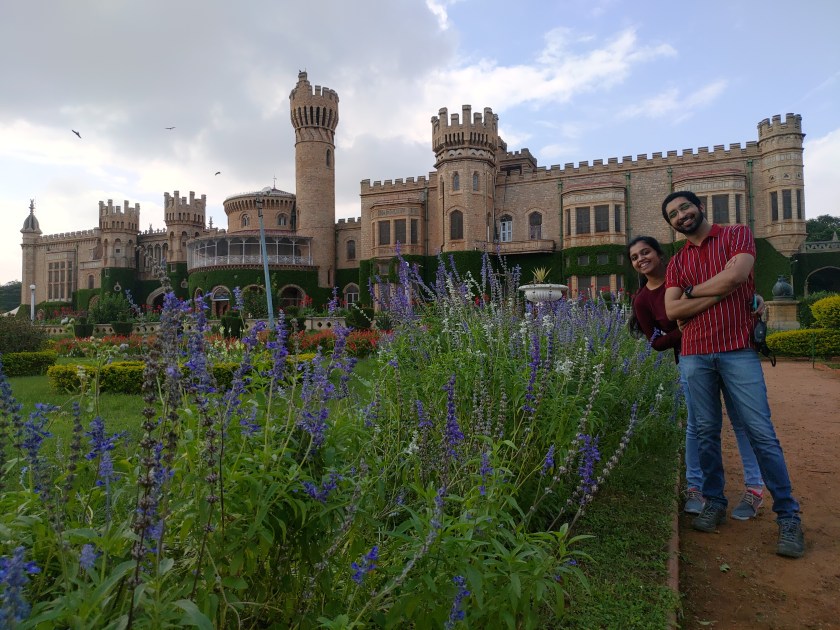
We saw Bangalore Palace for the first time in Instagram and I instantly saved it for my places to visit in Bangalore. Also, Akhil and his parents has been staying in Bangalore for a long time but they have never got the opportunity to visit this palace. Finally, during the pandemic era, we took our parents out for the first time to visit this palace, because we hoped that there would be less crowd.
As an escape to the history of India and to experience the classic royal charm of Bangalore we headed over to the beautiful Bangalore Palace.
The palace is renowned for its wooden interiors and beautiful gardens.
The palace is situated in the heart of the city in Vasant nagar Bangaluru.The entrance fees is 230 Rs for Indian citizen and 460 Rs for foreigners + 300 for phone cameras for a group. Each ticket has a different colour wristband which would be provided to you on the ticket counter.
The palace and palace garden are under surveillance 24×7.The timings of the palace is 10 am -5:30 pm and its closed on Mondays.
Who built this?
The vast palace spread across 45,000 sq. ft., was built by Rev. Garett, the first principal of Central High School in Bengaluru. In 1873, Chamaraja Wadiyar the 23rd Maharaja of the princely state of Mysore purchased it and refurbished it.
10 reasons to visit Bangalore Palace
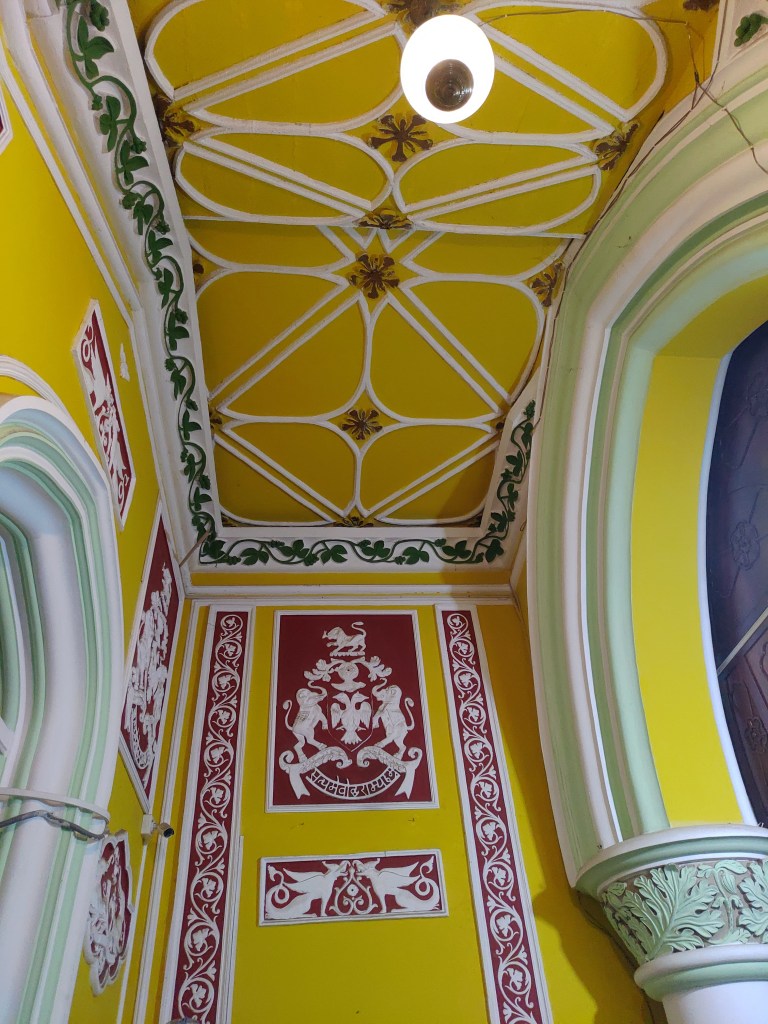
1.Colourful Interiors
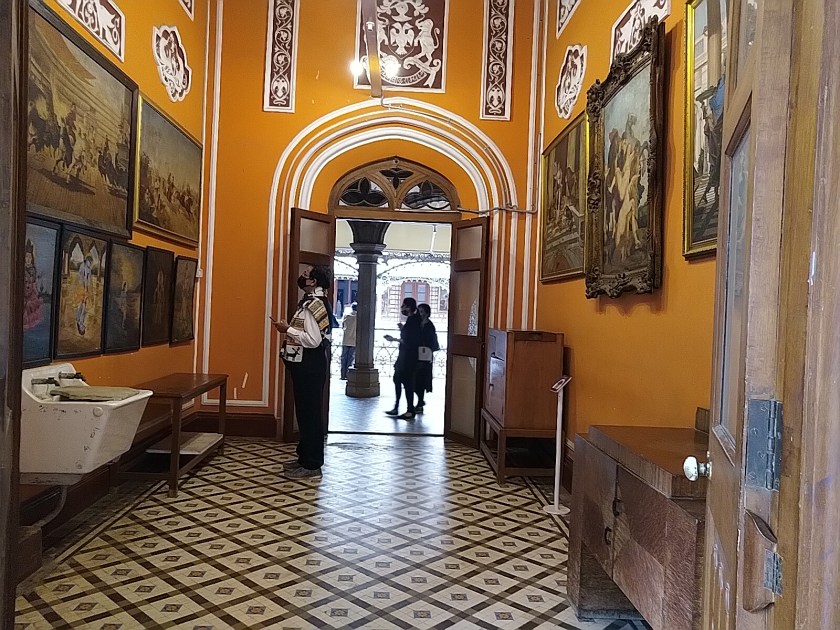
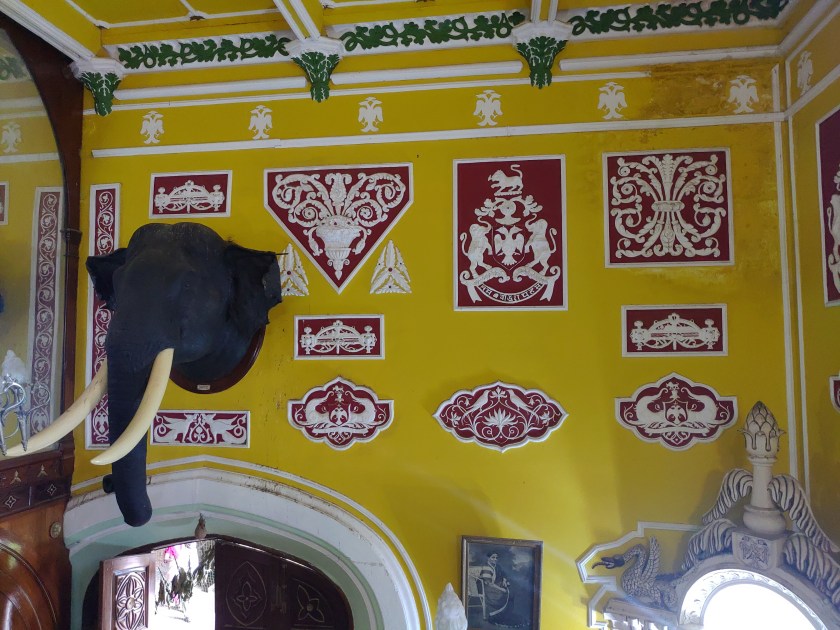
The first attraction inside the palace would be the colourful interiors which is predominantly in yellow which we generally do not see in Indian Palaces. The ceilings and the pillars are ornately carved with intricate sculpting of motifs, which is definitely eye catching. The palace is colourful with hand painted wallpapers to the indicate mosaic tiles.
2.Paintings and photographs
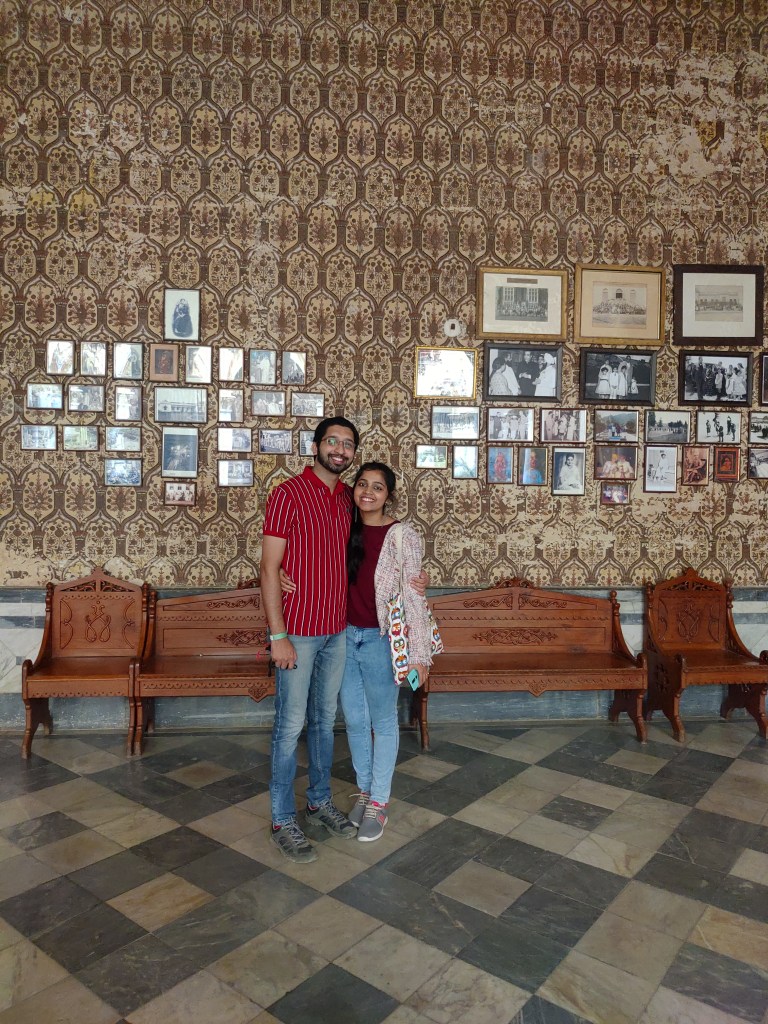
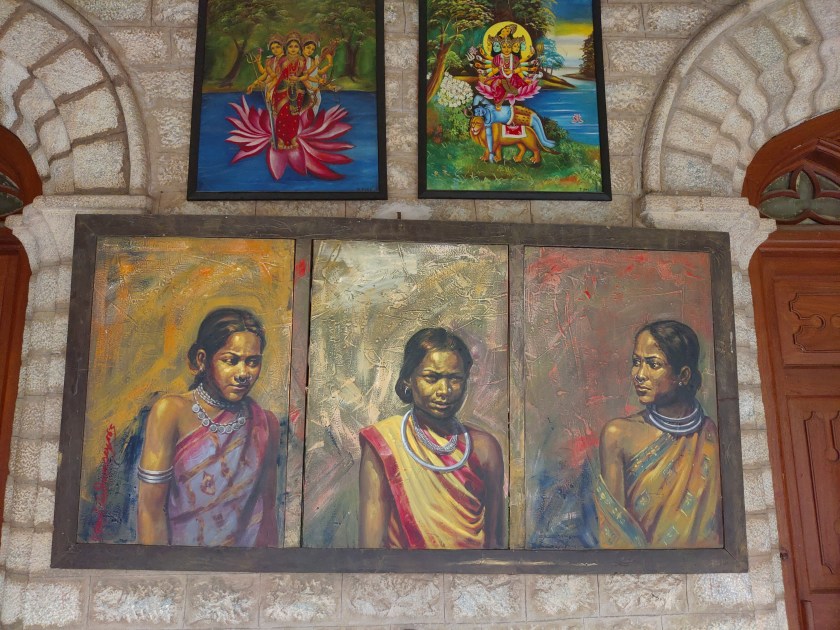
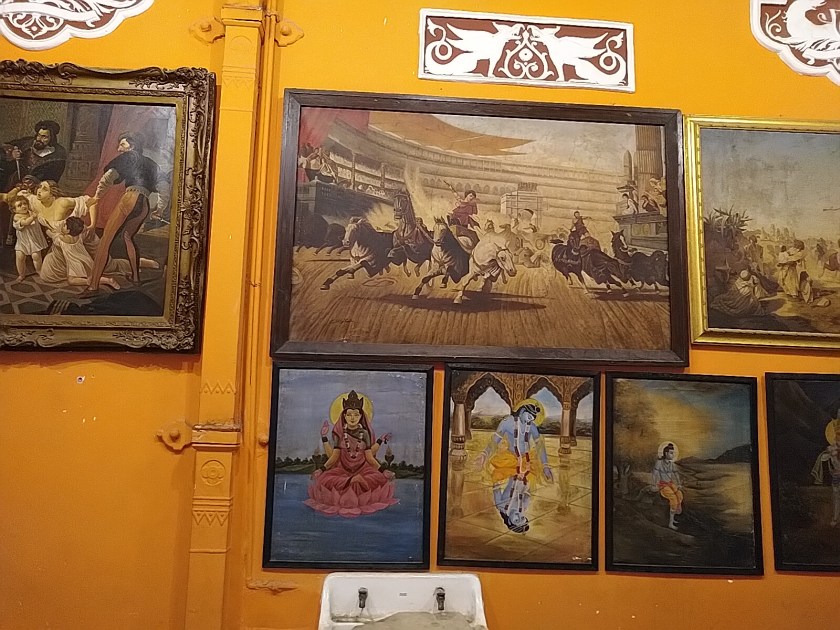
The rooms are decorated with old paintings belonging to the mid-19th century, including some Greek and Dutch paintings from the time of the Maharajas. You will also get to see old photographs from the Maharaja’s time, framed and hung on the wall. Seems like the family loved capturing and preserving their memories.


3.Artistic furnishings
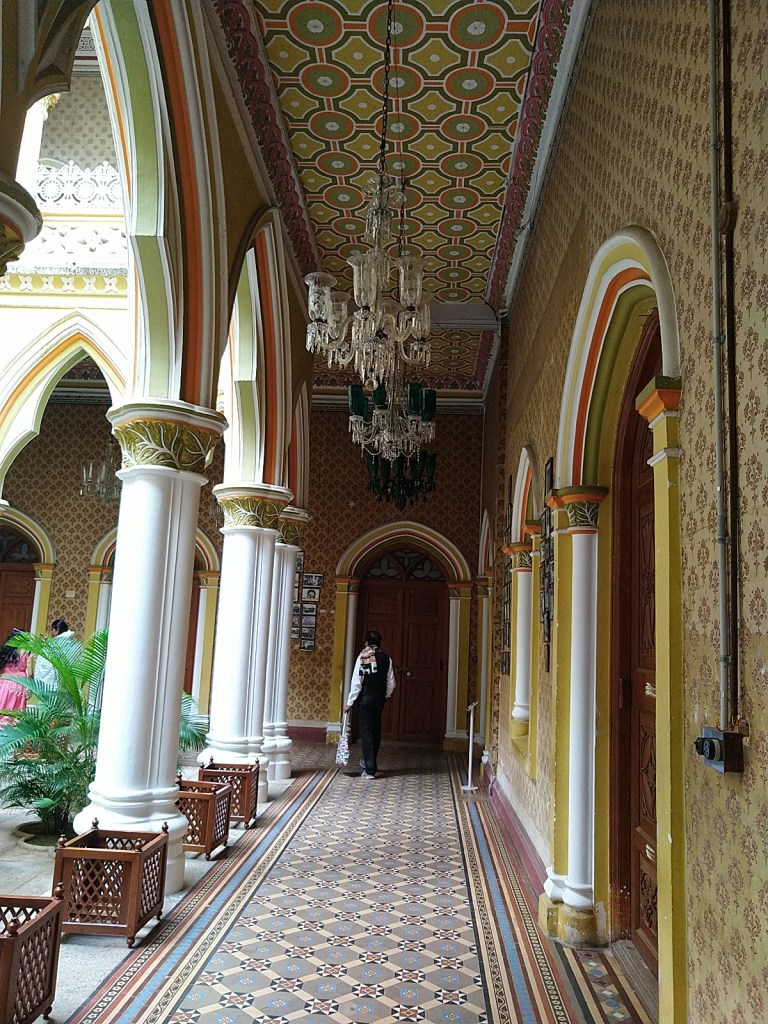
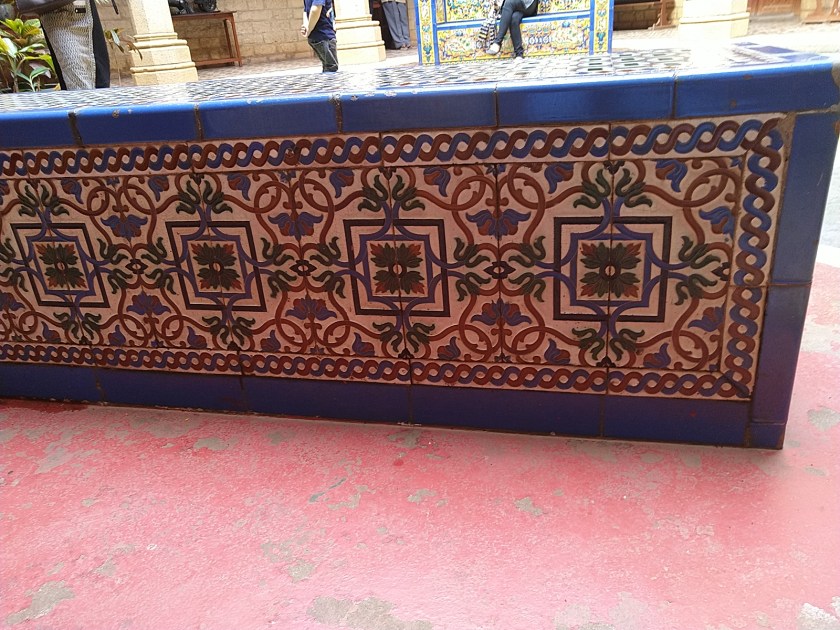
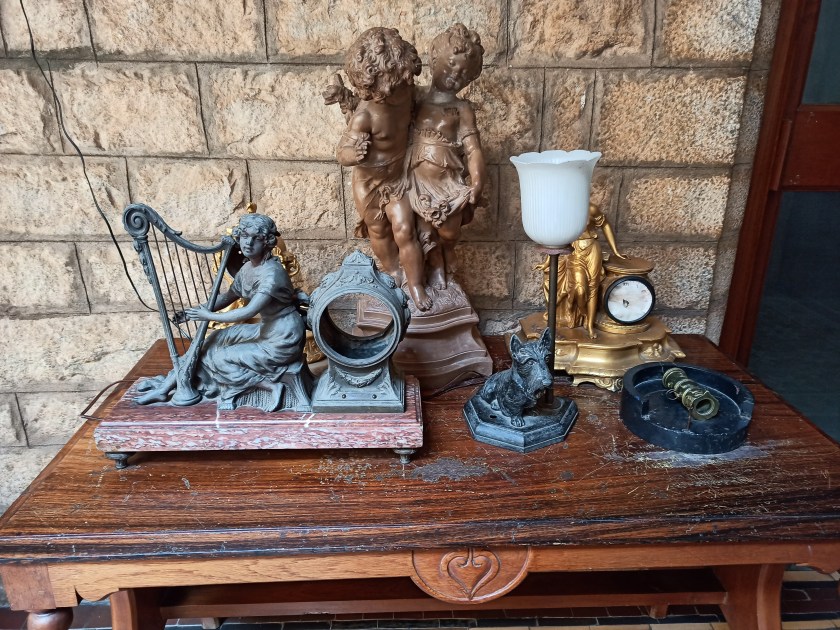
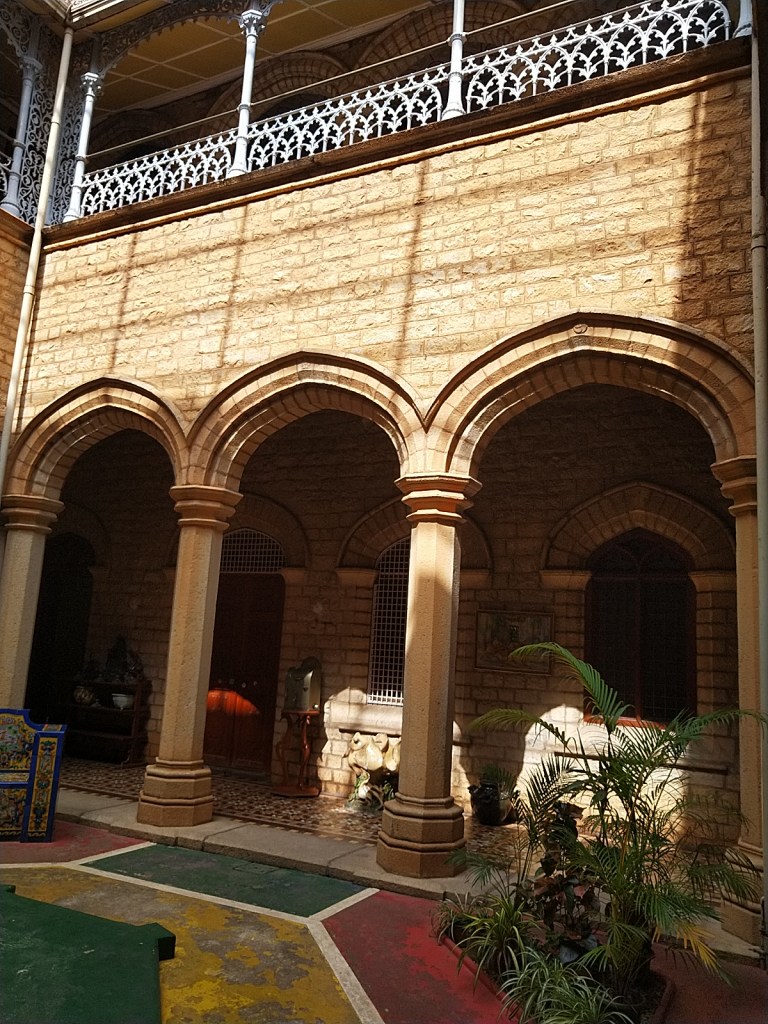
The Gorgeous chandeliers adorning the ceiling are ornate and old are adding a grace and charm to the interior. The ground floor consists of an open courtyard containing granite seats covered with fluorescent blue ceramic tiles. It also has a ball room for holding parties and a Durbar hall on first floor where the king used to address the assembly .The central courtyard, is huge and decorated with vibrant colours, arches, artworks and mosaics.

4.Architecture
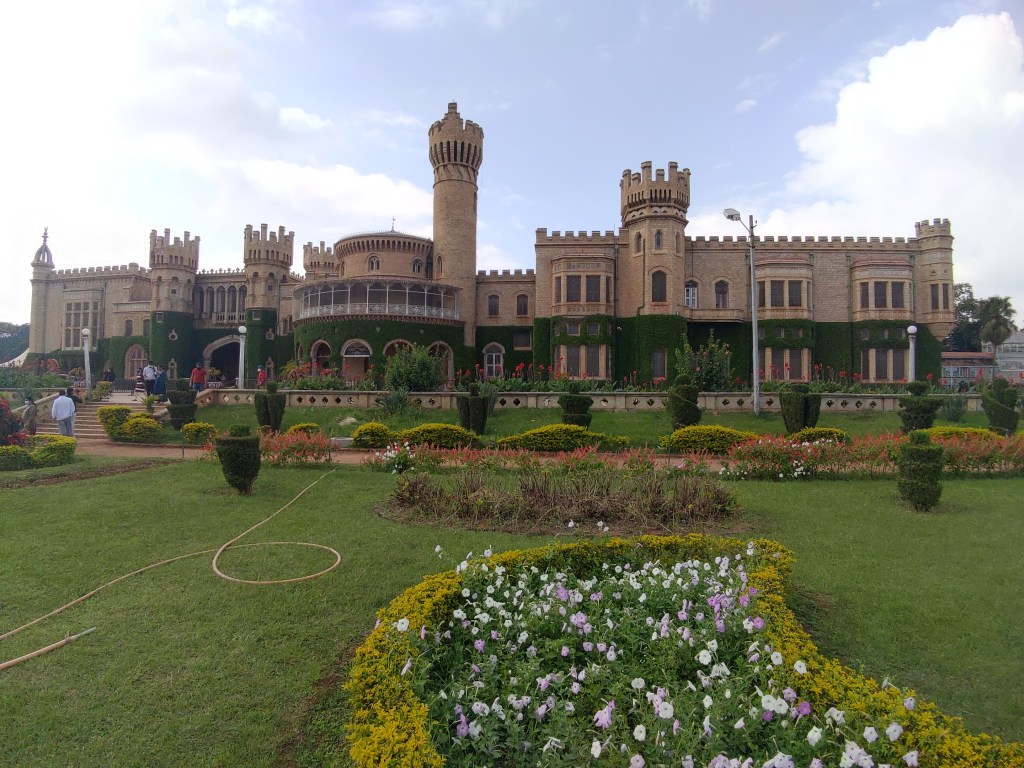
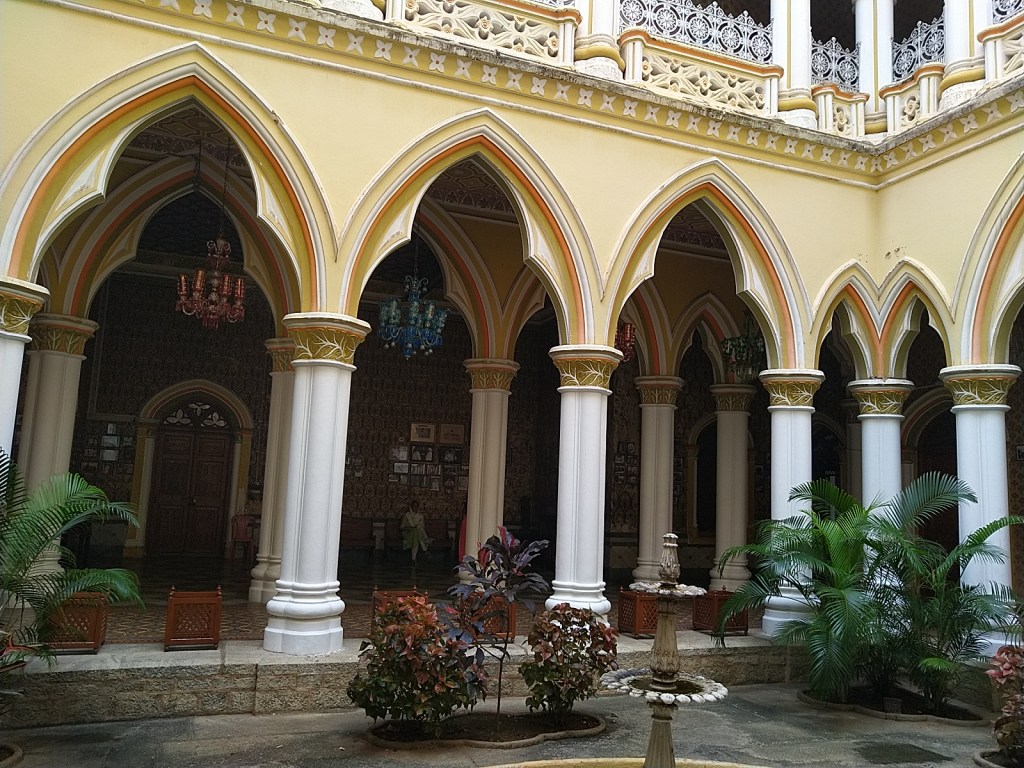
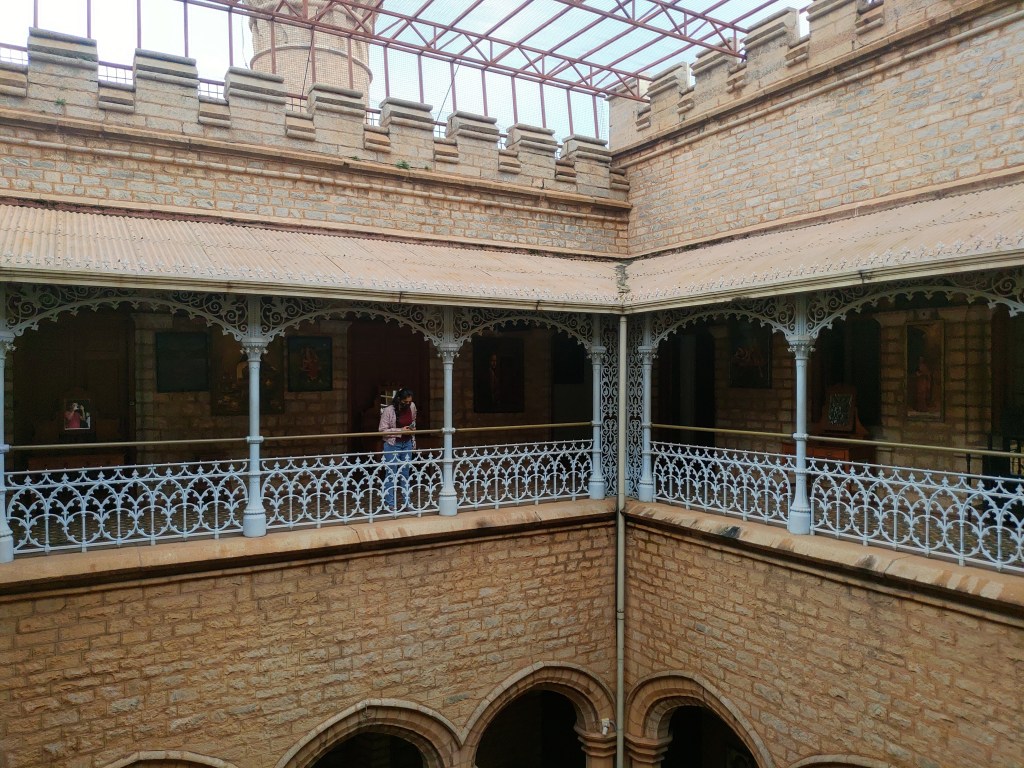
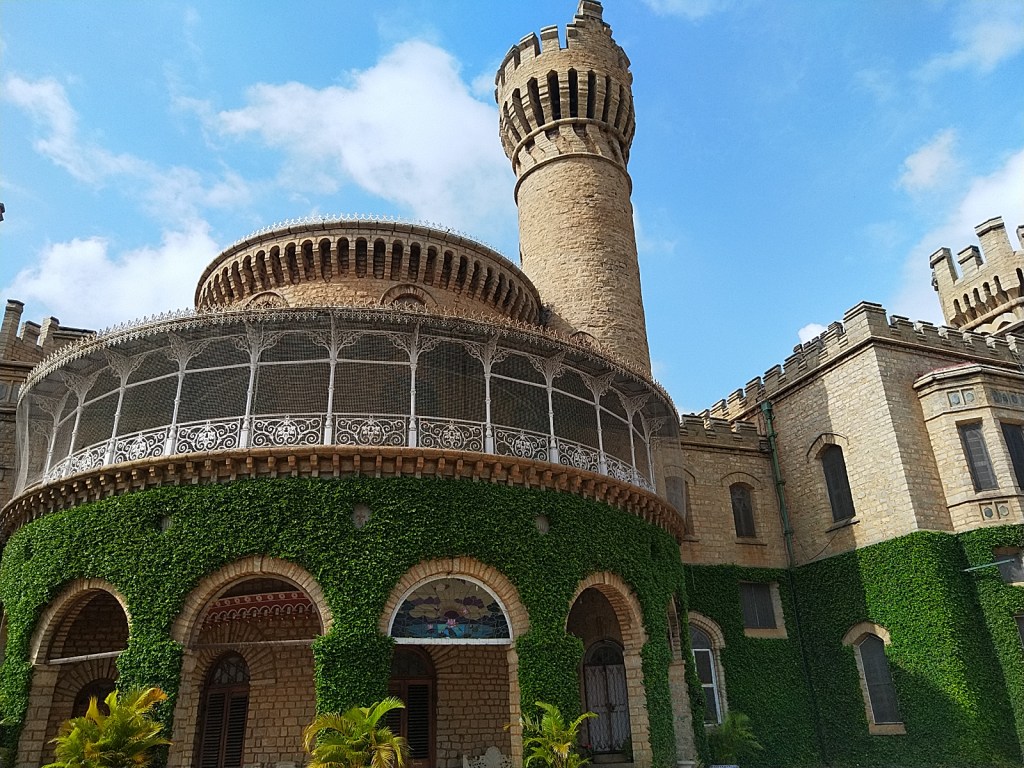
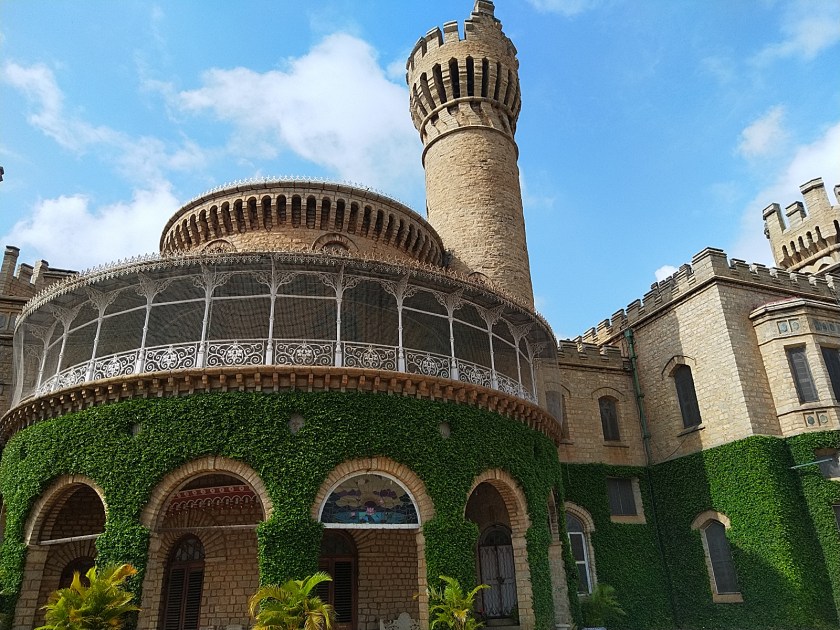
The palace architecture is an amalgamation of Tudor and Scottish, Gothic architecture with tall archways, oriel windows, fortified towers, battlements, and turrets. The interior of the palace is full of decorations, moulded and fluted pillars and large arches, walls decorated with floral patterns, intricately carved capitals, patterned cornices. The upper-level corridors and passage overlooking the inner courtyard are lined with beautifully detailed metal railings. There is a massive open courtyard with granite seats, a ballroom, darbar hall, residences, and a pretty water fountain which is now defunct.
5.Wooden work
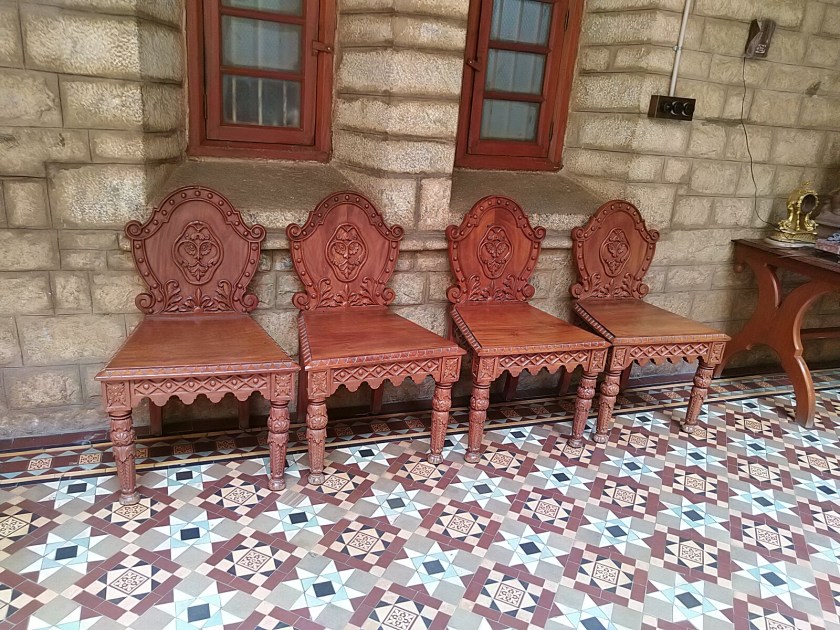
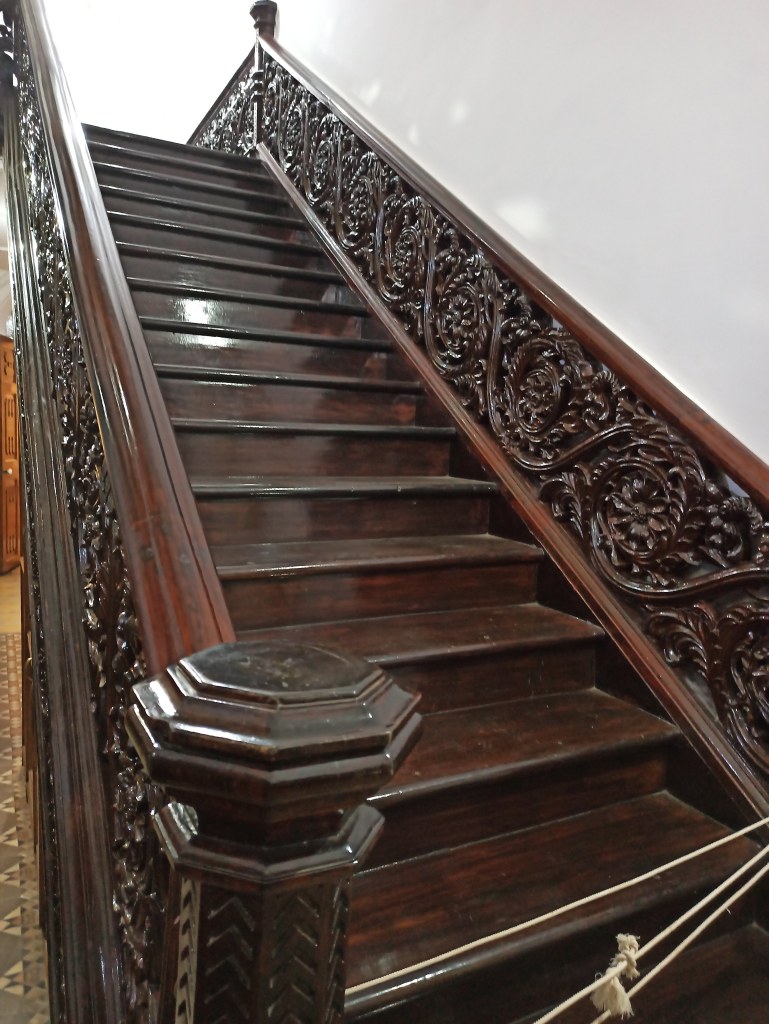
The interiors were decorated with elegant wood carvings. The furniture, which was neo-classical, Victorian and Edwardian in style, was bought from John Roberts and Lazarus. A grand staircase embellished with complex rococo style woodwork. edging those steps is a vibrant yellow wall, I mean what a contrast.
6.Taxidermy lover
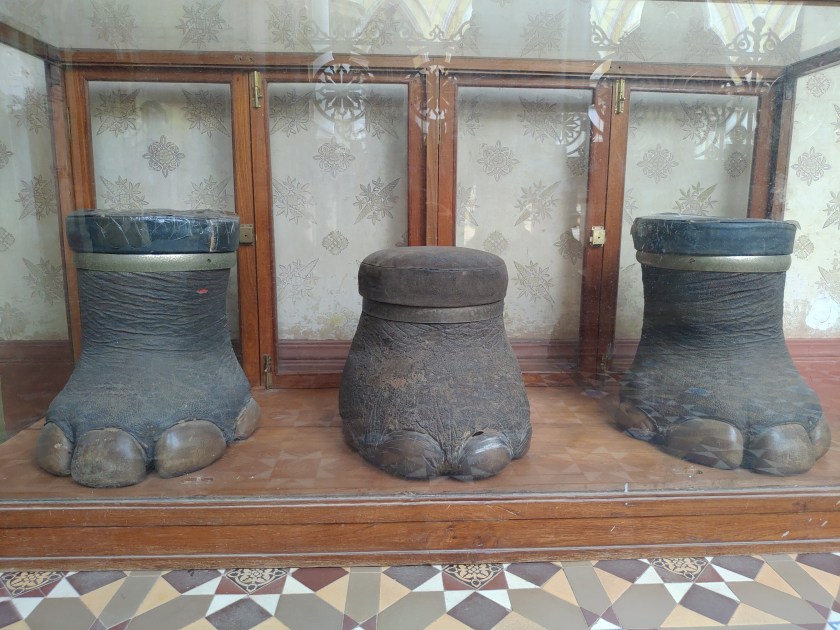
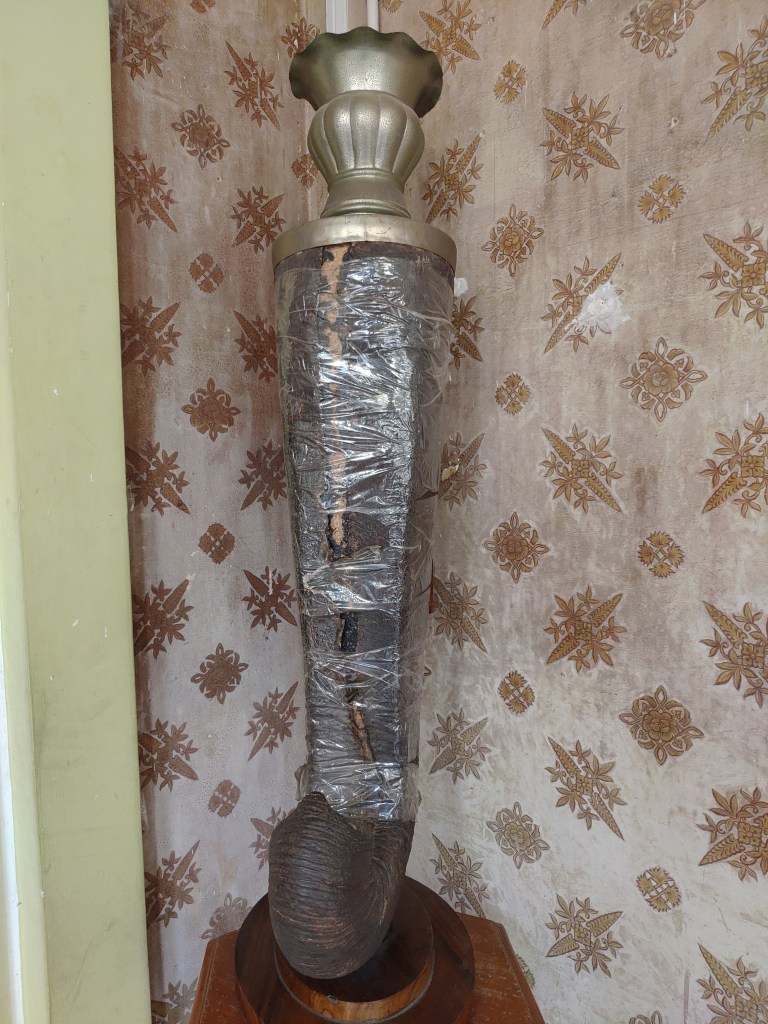
Wadiyar was definitely an admirer of taxidermy (the art of preparing, stuffing, and mounting the skins of animals with lifelike effect.), as we saw bar stools made with elephant legs and paw of a giant cat. Huge elephant head near the durbar hall entrance and an elephant trunk near the pathway.


7.Exquisite exteriors
The well-arranged foliage spread all over the lower half of the castle makes it more photographic and adds up to the greenery which makes it distinctive from other palaces.
8.Manicured garden
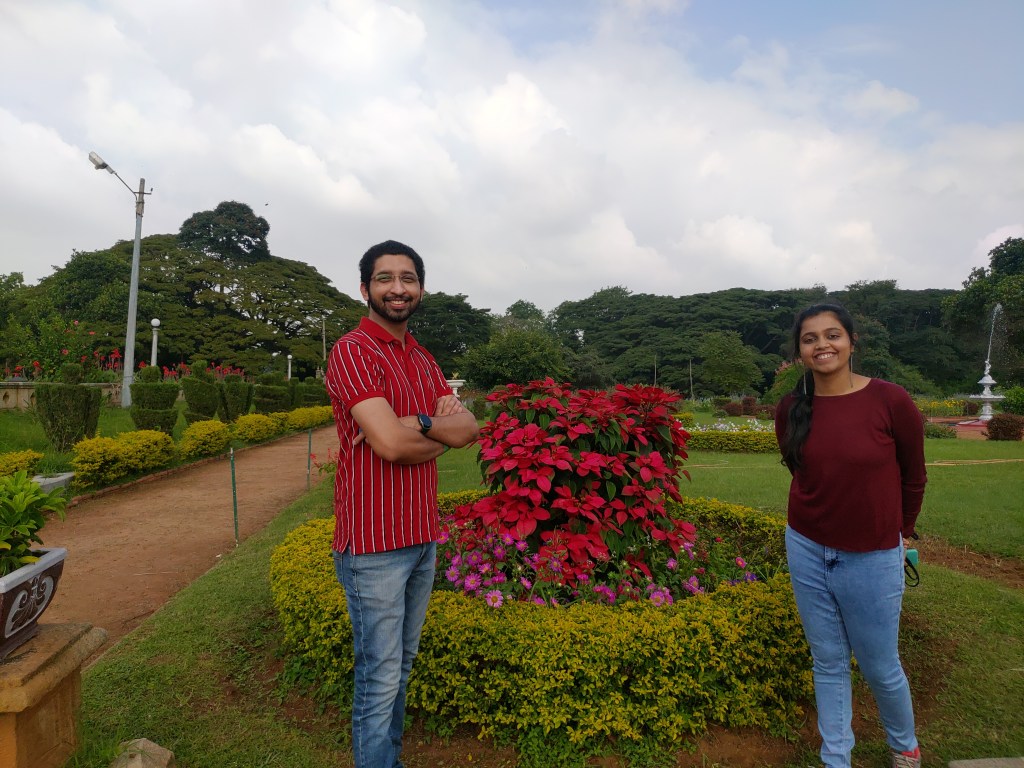
The gardens of the palace are more refined as designed by John Cameron, the English botanist responsible for redesigning Bengaluru’s serene Lalbagh Botanical Garden in the 1880s.
9.Cursed
The Wadiyar royal bloodline has reportedly been cursed for 400 years. The legend of the Curse of Alamelamma dates back to the 1600s, when Raja Wadiyar dethroned Tirumalaraja, an ailing ruler of another Indian kingdom. Rather than surrender to the Wadiyars, Tirumalaraja’s wife fled with her family’s royal treasure.
Clutching these jewels, she leapt off a cliff. Her final words were a curse on the Wadiyar dynasty, asking the gods to make their land barren and deny them heirs. This curse has remained famous due to the family repeatedly failing to produce a new male heir to their throne.
10.Windsor castle in india??
The story falls as Maharaja Chamaraja Wadiyar, during his trip to London,was fascinated by the Windsor Castle of London and decided to have made one for himself in Bangalore in the same style.Anything fancy can be wished with plenty of riches isn’t it. It,s said to be a look alike of the Windsor Castle. The resemblance is so marked that many scholars feel that this is an imitated version of the Tudor’s building, as if it was transported to Bangalore.
The Bangalore Palace is intertwined with the history of the city and its European architecture is a reminder of the colonial legacy of the town while its opulence also showcases the riches of the local kings. The expansive Palace Grounds around it were once a famed venue for international musical act, so this location has an important place in Bangalore’s contemporary culture too.
A visit to this Palace is a must, that will take you back in time and away from the modern landscape.
Harrytinkers
 Harrytinkers travelog