Posted in India, kerala

12 Interesting facts about Sree Padmanabhaswamy temple

Thiruvananthapuram is splits into Tiru + Anantha+ Puram” meaning “the town of Lord Anantha. The town is said to be the capital city of Travancore rulers and the kings have called themselves “Padmanabha-Dasa” (servants of Lord Vishnu), and ruled the state as the representatives of Lord Anantha-Padmanabha.

Sree Anantha Padmanabha Swamy Temple Hindu temple, and situated in Thiruvananthapuram. The temple is ancient and Garbhagriha (main sanctum) is carved out of a single stone.The temple is also known to be the Mahakshetraas it belongs to one of the 108 Divya desam (Divya Desams are shrines that have been sung by the Azhwars in their Pasurams, which are a part of the Divya Prabandham) in India.

It’s said that the temple was made on the first day of Kaliyuga 5000 year back. The temple is spread over 7 acres of land and has 4 main entrances.

Temple Timings

Morning: 03:30 am to 04:15 am, 05:15am to 06:15am, 08:30am to 11:00am, 12:00pm to 12:15pm

Evening: 05.00 pm to 06.30 pm, 07:00pm to 07:20pm

Dress code

Only Hindus are allowed inside the temple and the dress code have to be strictly followed, For Men its dhoti with bare chest and for woman its only sari or pavada (ling skirt) is allowed. Any bifurcates or any other kind of outfit is strictly prohibited. The outfits are available outside temple on rent.

12 Interesting facts about the temple

Pc : kerala tourism

The idol Composition

The Lord Vishnu is in Anathashayanam position (sleeping position) which shows the trinity (Brahma, Vishnu and Shiva) made of kadasharakara (a composition of herbs, resin and sand).

The main idol is made with 12,500 saligram stones transported from the Gandaki river in Nepal. Saligramas are auspicious stones worshipped and venerated as the direct manifestation of Lord Vishnu.

The temple was first made of wood and later constructed with granite that its today. It has 365 pillars representing one for each day of the year.

Three doors for Darshan

The most unique feature of the Padmanabha Swamy temple is that it has the idols in reclining, sitting and standing postures.

The main idol is inside the sanctum sanctorum is in the reclining posture is 18 foot long, can be viewed through three doors –

first doors show the Lord’s face and Siva Linga underneath his hand

second door shows Brahma seated on lotus emanating from the Lord’s navel along with the “Utsava moorthi” and the idol viewed through the central door in the standing posture Lord MahaVishnu, Lakshmi devi (goddess of wealth) and Bhoomi devi (goddess of earth)

and the Lord’s feet in the third door. Utsava Murthi”, the idol taken out for the festival processions is in the sitting posture. 

Ottakkal mandapam

Only the King of Travancore performs Namaskaram, or bow prostrate on this “Ottakkal Mandapam”. Since the idol of the Lord is also on this “Ottakkal Mandapam”, anybody who bows prostrate, or any material object that is kept here, henceforth belongs to the Lord.

Tradition says the King is a “Padmanabha Dasa”, (a servant of Vishnu). It’s also believed that lord Vishnu rules the Kingdom of Travancore

The Ottakkal Mandapam (single stone platform) is in front of the sanctum sanctorum of Lord Vishnu which is built with a single slab of granite. Its granite pillars are covered with gold.

Usage of gold in the Temple


The idol of Lord Sree Padmanabha Swamy is covered almost entirely in gold by a “Thanka Anki” or golden dress. The Ottakkal (or single stone) Mandapam in front of the main Sreekovil is covered in gold. The flag mast of Sree Padmanabha Swamy
is also covered in gold. Further, the Nivedyam called Navaratna payasam for the Peruthiru amrith pooja is offered to the lord in Gold Vessels.
A unique feature that came to light recently, while cleaning the idol is the fact that Lord Padmanabha’s idol is entirely cast in gold except for the face and chest. Along with the crown, ear rings, chiseled poonool, ornaments covering the chest, Lord’s legs and the right hand sporting a huge kankanam, the left hand holding a lotus and the lotus stalk are in gold. The kadasharakara (covering the idol with a dark coloured ayurvedic paste) was used to hide it from the Muslim invaders 

The mysterious Vaults


The temple has 6 vaults known as kallaras labelled from A-F and as per supreme cout directions the chamber A were opened and On 2 July 2011, The chambers contain gold jewellery, medallions, precious stones, gold coins, model necklaces, stone-studded ornaments, golden armlets, head sets, heaps of pearl jewels, diamonds, golden lotuses, silver biscuits, decoration items for the Garudavahana, pooja items and festival equipment now it might become the richest temple in the world. The most amount of treasure was discovered in chamber A. Vault B is the final vault that has not been opened yet. The royal family there was a mystical curse associated with it.

Sreebalippura

Sreebalippura is a rectangular corridor built of stone is believed to have included 10,000 labourers and over 100 elephants for six months to construct it. Sreebalippura is supported by 365 and a one quarter of pillars. Each pillar is a monolith.

The gold Kodi maram

The flagpole or kodimaram is 80ft tall which was initially made with teak wood, later converted to golden flagpole has Garuda Swami, the sacred bird who carries Lord Vishnu, is carved on the top of the pole.

Intricate Gopuram

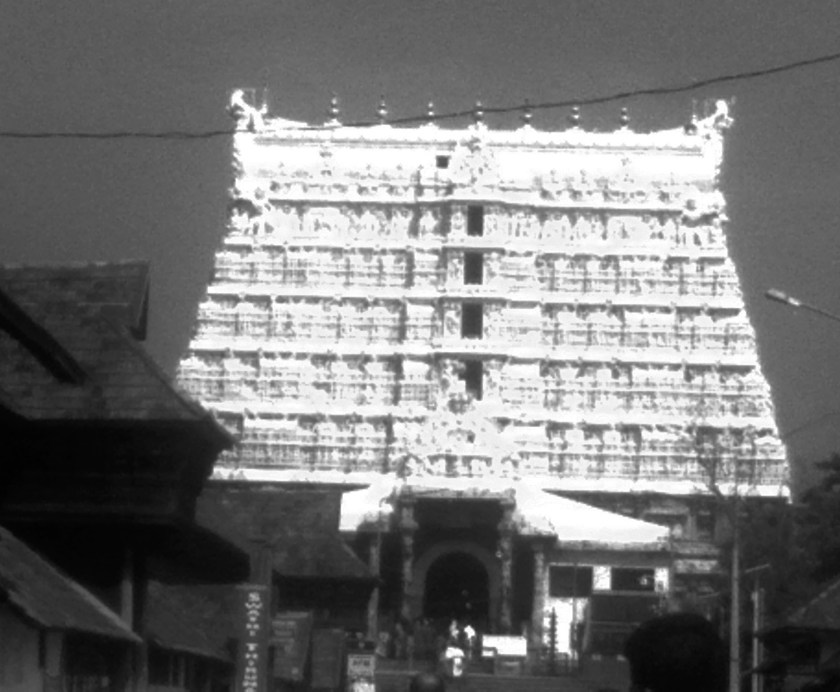
The 35-metre high seven-storey Gopuram made of granite imprints a visual remembrance of the temple in each spectator’s mind. The 10 incarnations of Lord Vishnu are depictedon the gopuram along with seven golden domes on the top. The opening on the ground floor has a grand doorway to enter the temple.

Archietectural marvel

The temple architecture is a fusion of Dravidian and Kerala style architecture. It is also known for its architectural marvel being creative achievements of the past in the fields of art, architecture, science, and engineering which cannot be compared to the present standards

The temple is said to have inspired by the Adi Kesava Perumal temple in Thiruvattar in Tamil Nadu. The deity of in both the temples are in reclining position.

Another marvellous architectural work is the Sapthaswara Mandapam supported by 28 balustrades of pillars its believed that the pillars on the four corners can produce musical notes when tapped.

The sacred Padmatheertham

Padmatheertham is one of the oldest water bodies in the city of Thiruvananthapuram and is the temple pond of the temple. This pond has been mentioned in several Hindu scriptures. Srimad Bhagavatha says that Balarama visited this Temple, bathed in Padmatheertham and made several offerings.

Beautiful Mural Paintings

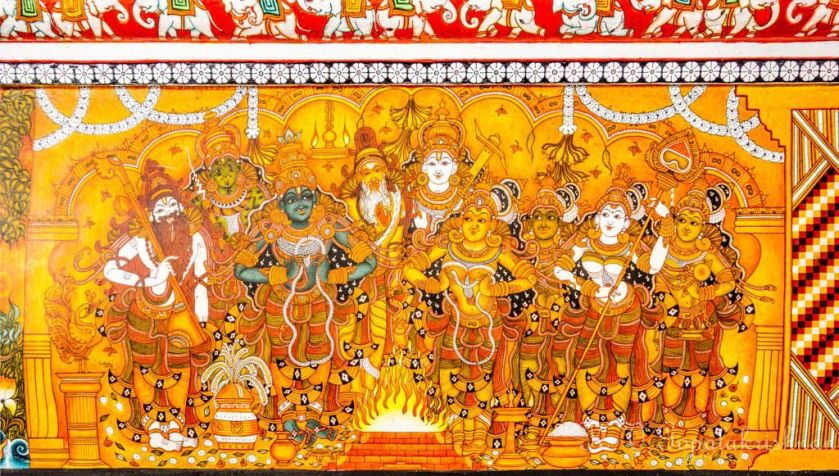
The outer walls of the main sanctum are decorated with murals. The 18 feet long mural of the Ananthasayanam on the backside of the sanctum is termed as the largest one among the temple murals of Kerala, and was painted by Chalayil Kalahasti.

Thiruvambadi Sree Krishnaswamy Temple

Even though the Thiruvambadi Sree Krishna Swamy Temple is inside the main Temple walls, it enjoys the status of a separate Temple with separate flag-staff, sacred stones and its own rites and rituals. It is quite unusual. Here the presence of Sri Krishna in the form of Parthasarathi, is naturally luring. The outer walls of the temple are fully covered with lamps which is called Villaku Madom. Another significant and striking feature is the attractive Gaja Lakshmi carved on the top in granite.

Harrytinkers tips

  • The dress code has to be strictly followed otherwise the entry is prohibited.
  • You have to enter the temple barefoot
  • Only Hindus are allowed inside the temple
  • Gadgets are strictly prohibited
  • No photography
  • Try spending an hour inside the temple in order to explore all the above-mentioned interesting portions of the temple
  • The sound of waves can be heard from the pillars inside the temple.
  • The main sanctum is dimly lit and the idol is also dark in colour so you have to look closely to see the details of the idol
  • Visit in the early hours to get a peaceful darshan

One of the best Hindu temples in terms of Architecture, history, grandeur and spirituality

Harrytinkers
Posted in India, kerala

Guruvayoor: My favourite temple of Lord Krishna

Guruvayoor is full of stories. Actually, each person who has visited this temple will have different stories to narrate. To me Guruvayoor is equivalent to heaven, whenever I imagine heaven, the only picture which comes to my mind is of Guruvayoor.  What more can you expect from a Krishna bhakta

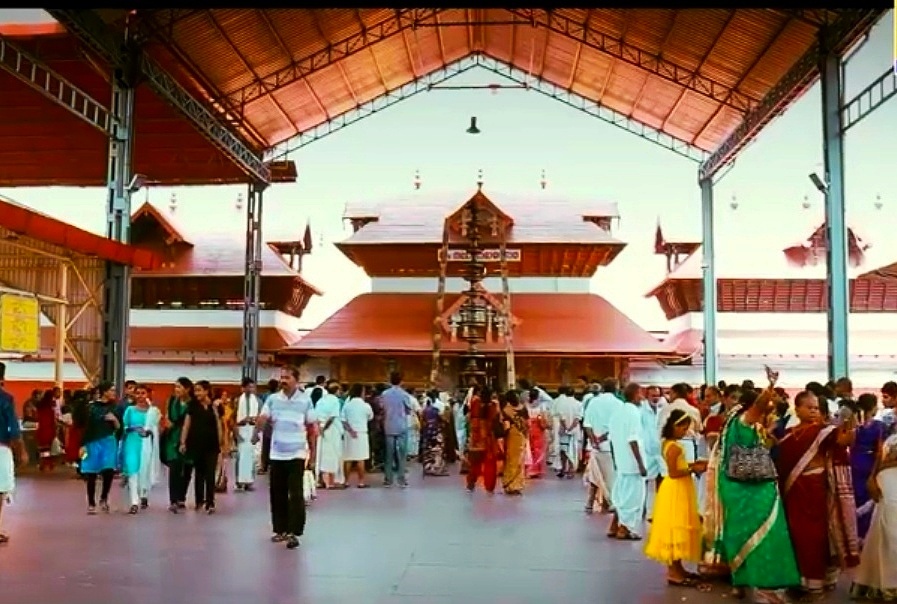
Guruvayoor temple is dedicated to Guruvayoorappan (Four arm form of lord Vishnu) situated in town of Guruvayoor in Kerala, India. Its popularly known as the Bhuloka Vaikuntha (the holy abode of Lord Vishnu on earth). The city is considered to be Dwarka of Southern India.

Several weddings and Children’s first feeding ceremony (annaprasan or choroonu) take place almost every day. The devotees seek the blessings of Lord Krishna for a happy future and the temple is famous for its healing power.

The temple is also famous for its beautiful Mural painting which is done by artists who have been trained by the Devasom board in Guruvayoor.

Temple timings

Morning: 3.00 AM to 1.30 PM
Evening: 4.30 PM to 9.15 PM

The Temple will be closed from 1.30 pm to 4.30 pm:

How to reach

Guruvayoor, is well connected with all parts of the country by road and rail. The National highway passes through Kunnamkulam which is just 8 kms away. The private bus stand is towards the east of the temple, near Manjulal (the famous banyan tree). It is half an hour drive by car from Thrissur and buses ply every 5 minutes from the cultural capital, Thrissur.

The nearest railway station is Guruvayoor but not all the trains have a pitstop here, mostly people prefer Thrissur which is 20 kms away and Cochin International Airport is the nearest airport, which is 72 km.

PC: wikipedia

Story of Guruvayoor

Lord Brahma used to worship Lord Krishna’s idol during Krishnavtaram and he gifted the same to Lord Vishnu. After seven days when Lord Krishna left for his heavenly abode, the city of Dwarka submerged. Lord Vayu, the Lord of winds and Guru were entrusted with the work. They had to find a suitable place to install the holy idol. After searching for a long time, Guru and Vayu installed the idol at the temple. This was carried out because Guru Parshuram had insisted this place.

The place got its name Guruvayoor because both Guru and Vayu had installed the idol. Initially, the temple was known as Guruvayurappa and later changed to Guruvayoor

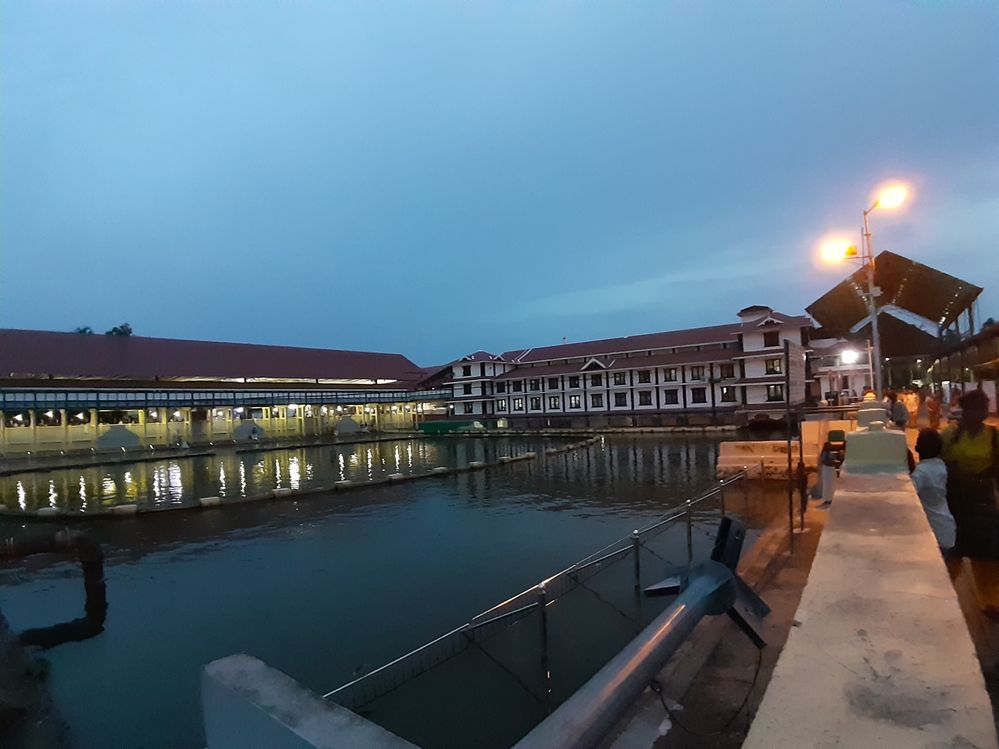
The temple pond

The temple tank (pond) temple is called Rudratheertham. Because for thousands of years, Lord Shiva used to bath here. As Shiva is also known as ‘Rudra’, the pond was named after him: Rudratheertham.

PC : local guide connect

Dress code

Devotees and tourists have to strictly follow the dress code.

Men and boys: wear mundu (single piece garment draped along the waist, very similar to sarong or dhoti) around their waist, without any dress covering their chest. You can wear a veshti  ( small piece of cloth) to cover your chest.

Women and girls: saree or long skirt and blouses. Recently even salwar kameez is allowed.

Modern dresses like Trouser, short skirts are not allowed. Girls below 12 years may wear gowns. 

The reason of south Indian temples emphasising on wearing one single piece of cloth (read here)

Significance of Elephants in guruvayoor

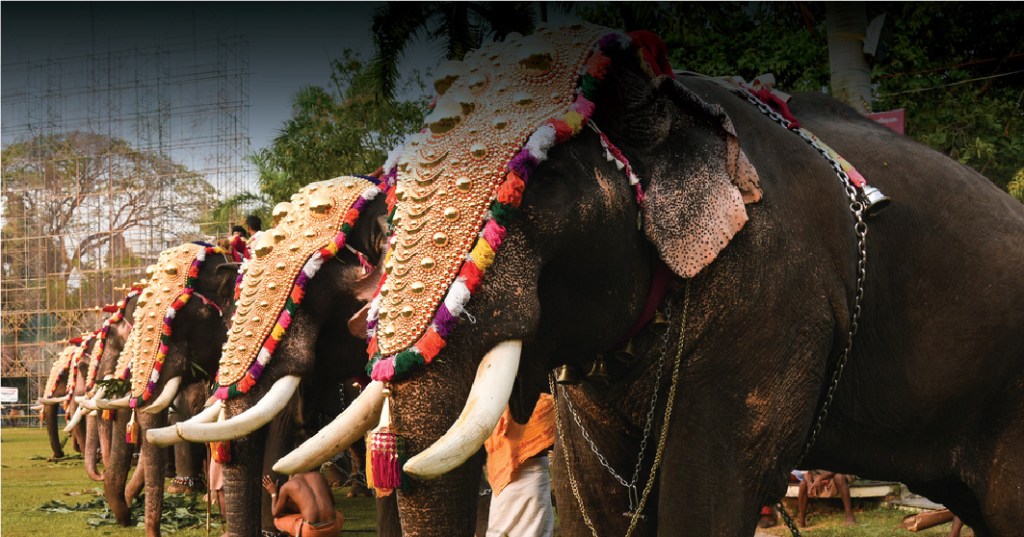
The first elephant Keshavan was donated to the Guruvayoor Hindu temple by the royal family of Nilambur on 4 January 1922.  Since then, it became a common Hindu custom in Kerala to capture elephants either as calves or young adults from the wild and to donate them to the deity of the temple as an offering. Guruvayoor temple currently has 59 elephants. All these elephants are decorated and held in a procession on the day of Thrisoorpooram.

PC : Keralam.me

Krishanattom

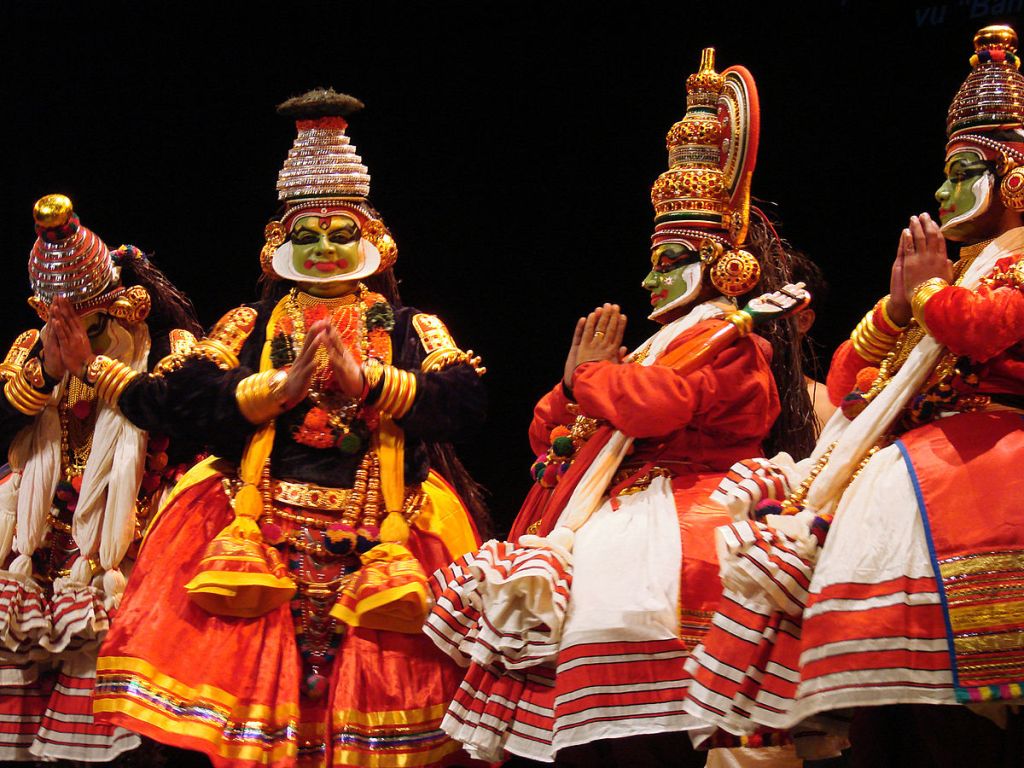
Krishnattom is a temple art in Kerala, India. It is a dance drama and presents the story of Krishna in a series of eight plays and was created by Manaveda (the  Zamorin king of Calicut) in northern Kerala. He created a poem for Lord Krishna is eight cantos.

I misinterpreted this as kathakali which was initially derived from Krishnattom. I saw this art form for the first time when I was 6-year-old, my grandfather loved this art form and on every visit to guruvayoor, he used to take me along to watch this art form. At that span of time, I couldn’t understand any of it but now being a classical dancer myself, I enjoy watching this art form. Watching krishnattom in guruvayoor is a blissful experience and one of my fondest memories in Guruvayoor.

PC : Wikipedia

Annadanam (Prasada oottu)

Every day Guruvayoorappan Temple department provides free Prasada Oottu for the devotees in Annalakshmi Hall located outside the temple. Prasada Oottu starts from 10.30 am. People can have free meals and there is no religious barrier. The food is simple and filling, simplicity is what makes it delicious

Shops near the temple

There are numerous shops near to the temple which sells souvenirs like mural paintings, sculptures, variety of lamps made with bell metal. Definitely, if it’s your first visit you will find lots of unique items which you will be tempted to buy.

Where: The East and West Nada

Things which can capture your interest can be Mural paintings, lamps, electronic items, religious books, brassware, very unique Kerala handicrafts. Don’t miss the the most popular Kasavu Saree. If you are fan of mural paintings then definitely there are so many options of clothing for you. Also, you should definitely shop some of the favourite Kerala snacks such as Papadums, halwa and Murukkus.

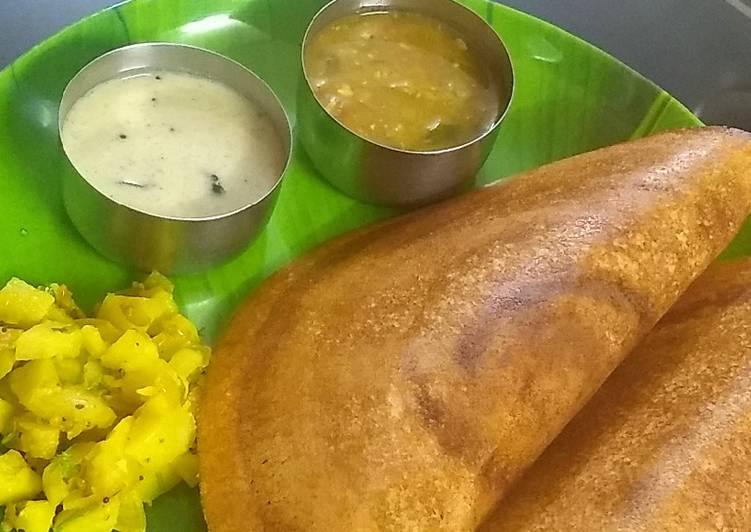
Ghee roast Dosha

Every visit to Guruvayoor is accompanied by having ghee roast from the nearby restaurant for all the three meals (I wish). Why I am emphasizing on the ghee roast is because its very delicious and as well as super crispy.

PC : cookpad.com

Harrytinkers tip
  • Avoid visiting the temple on weekends as it will be too crowded and you won’t be able to have a peaceful darshan
  • Also, during the weekday, you can expect long queues for the morning darshan.
  • The meals served is simple food and the place would be crowded as its free it is given to the homeless and beggars as well
  • Its better to stay for at least two days and 2 nights in order to attend all the rituals if you wish to and to visit the nearby places and watch Krishnattom.
  • Strictly follow the dress code, otherwise you won’t be allowed to enter inside the temple
  • The kovil inside is dimly lit so you have to look carefully inside in order to see the deity.
Posted in bangalore, India, one DAY TRIP

10 reasons to visit Bangalore Palace

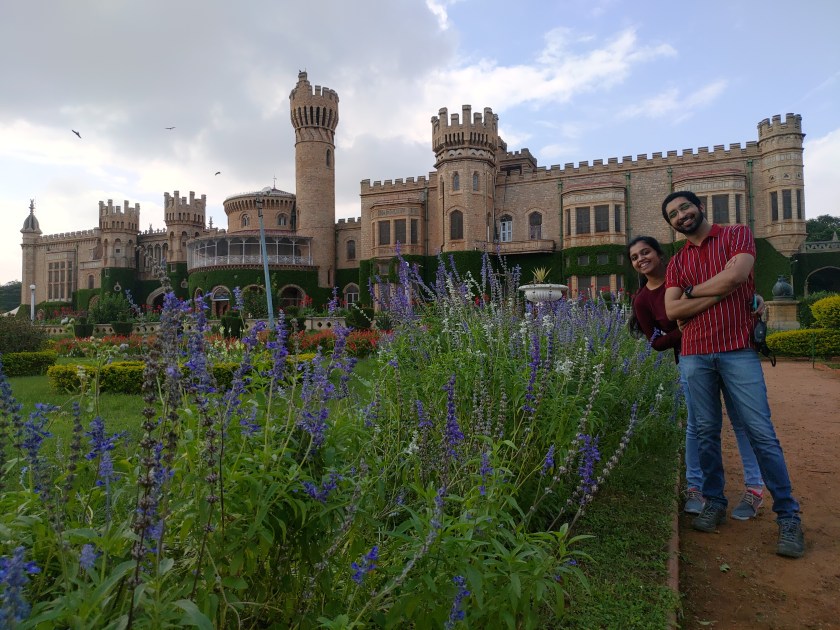
We saw Bangalore Palace for the first time in Instagram and I instantly saved it for my places to visit in Bangalore. Also, Akhil and his parents has been staying in Bangalore for a long time but they have never got the opportunity to visit this palace. Finally, during the pandemic era, we took our parents out for the first time to visit this palace, because we hoped that there would be less crowd.

As an escape to the history of India and to experience the classic royal charm of Bangalore we headed over to the beautiful Bangalore Palace.

The palace is renowned for its wooden interiors and beautiful gardens.

The palace is situated in the heart of the city in Vasant nagar Bangaluru.The entrance fees is 230 Rs for Indian citizen and 460 Rs for foreigners + 300 for phone cameras for a group. Each ticket has a different colour wristband which would be provided to you on the ticket counter.

The palace and palace garden are under surveillance 24×7.The timings of the palace is 10 am -5:30 pm and its closed on Mondays.

Who built this?

The vast palace spread across 45,000 sq. ft., was built by Rev. Garett, the first principal of Central High School in Bengaluru. In 1873, Chamaraja Wadiyar the 23rd Maharaja of the princely state of Mysore purchased it and refurbished it.

10 reasons to visit Bangalore Palace

1.Colourful Interiors

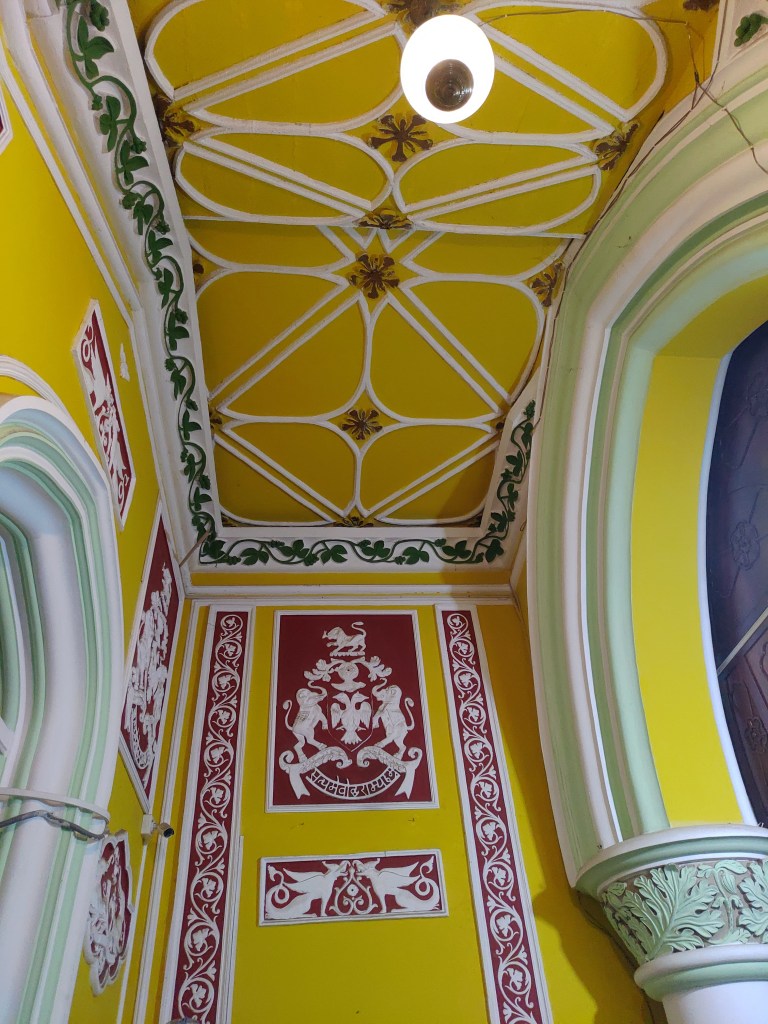
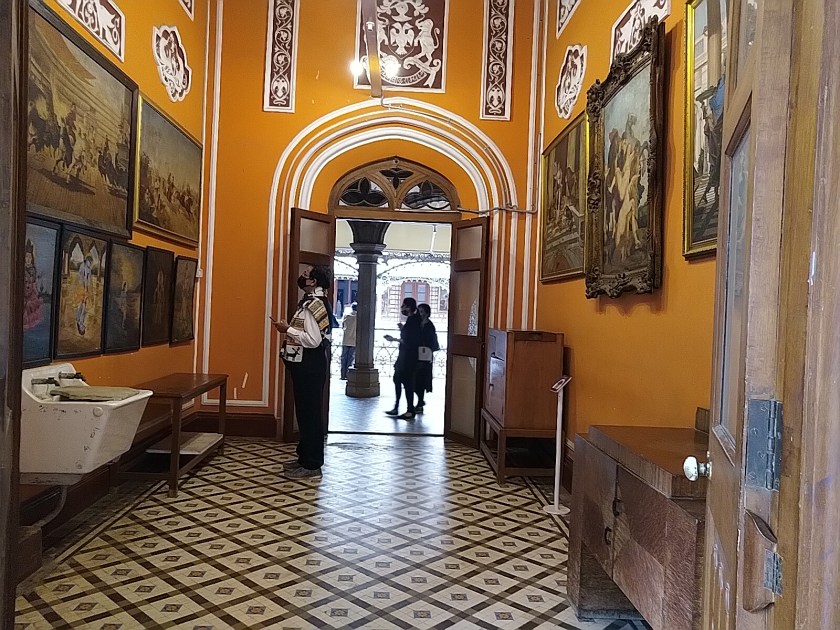
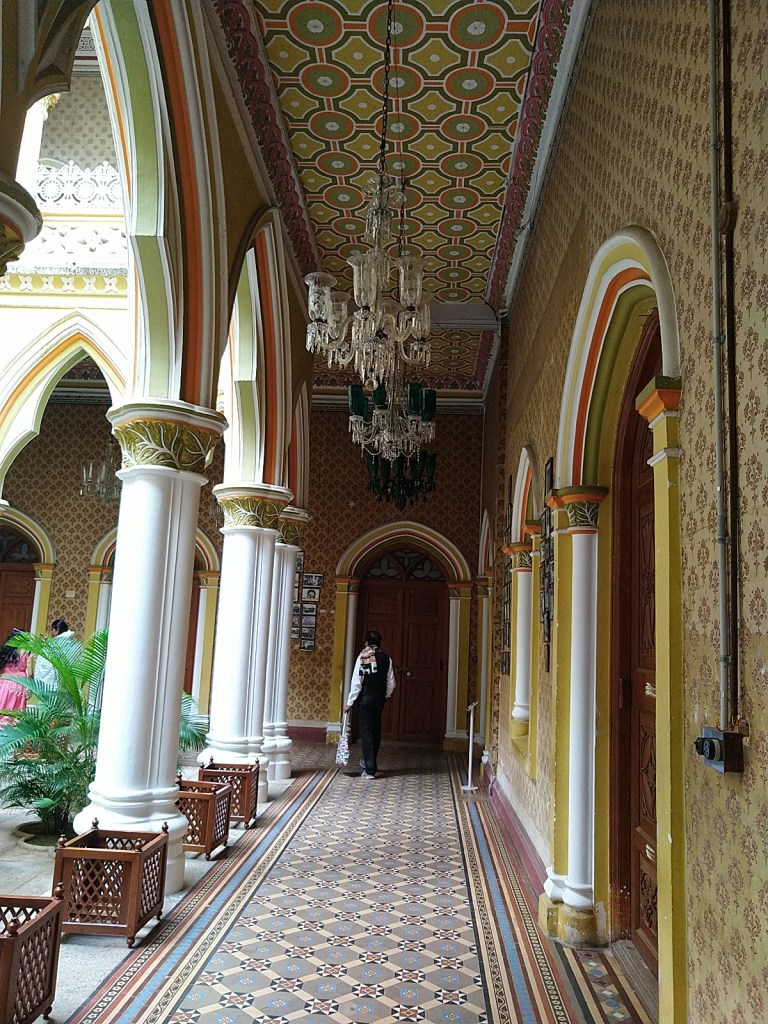
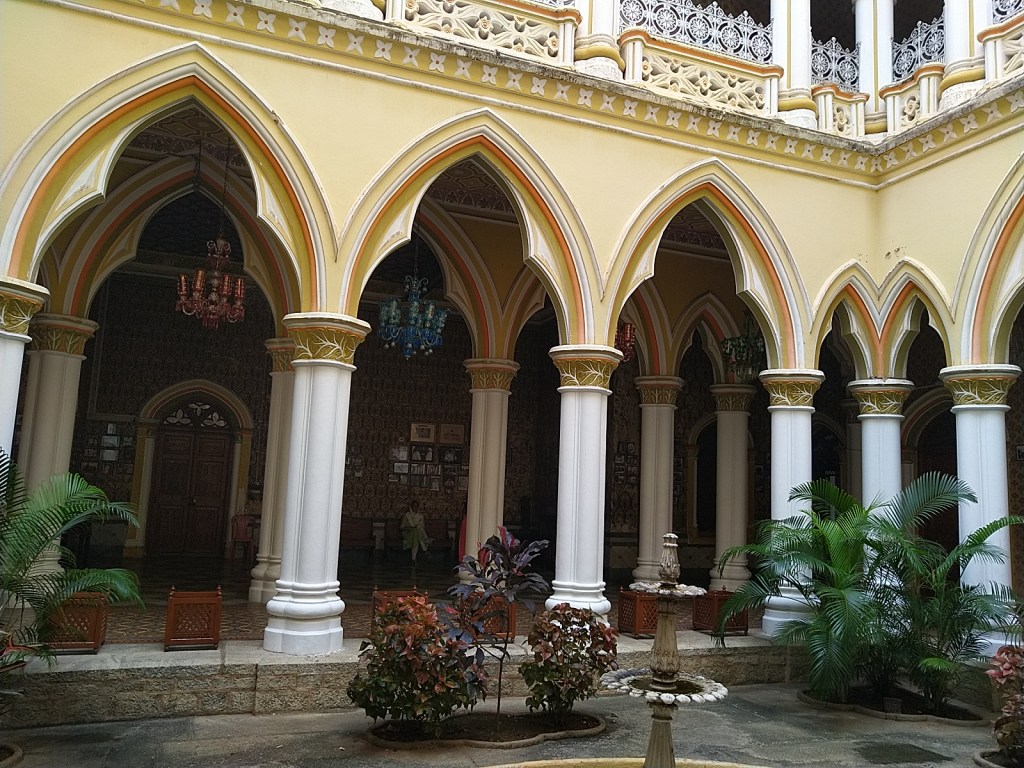
The first attraction inside the palace would be the colourful interiors which is predominantly in yellow which we generally do not see in Indian Palaces. The ceilings and the pillars are ornately carved with intricate sculpting of motifs, which is definitely eye catching. The palace is colourful with hand painted wallpapers to the indicate mosaic tiles.

2.Paintings and photographs

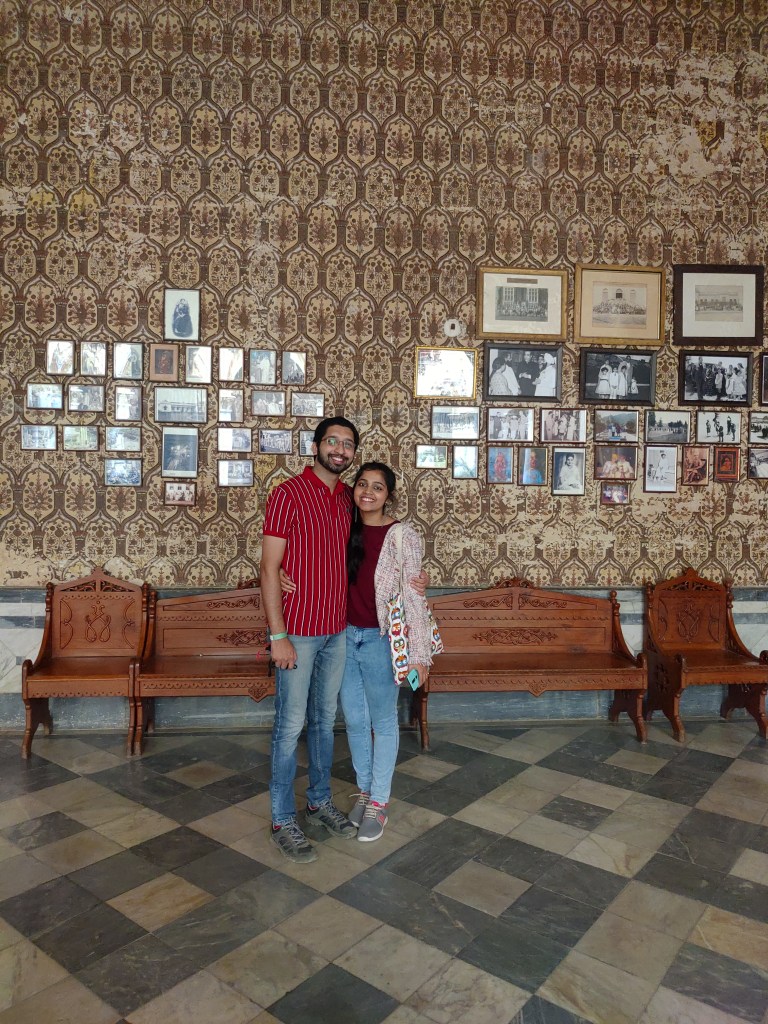
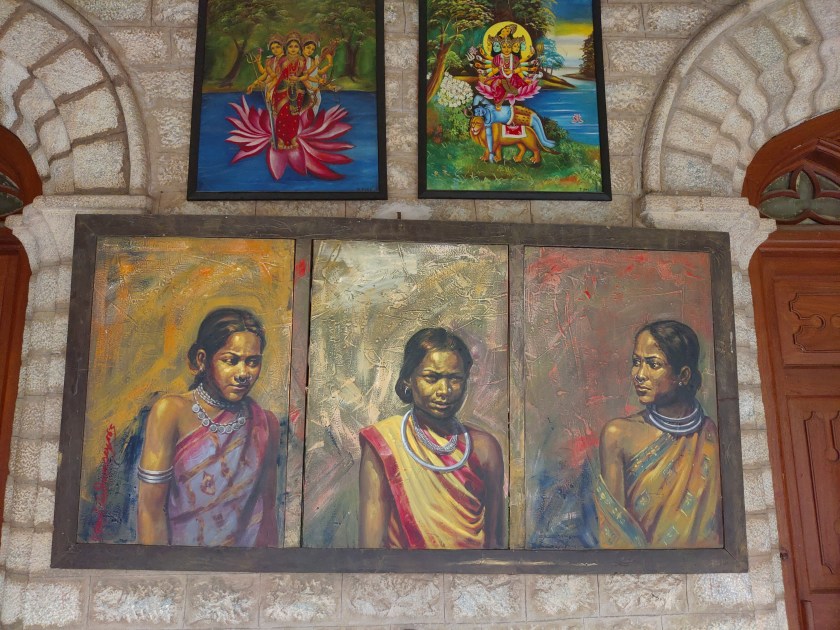
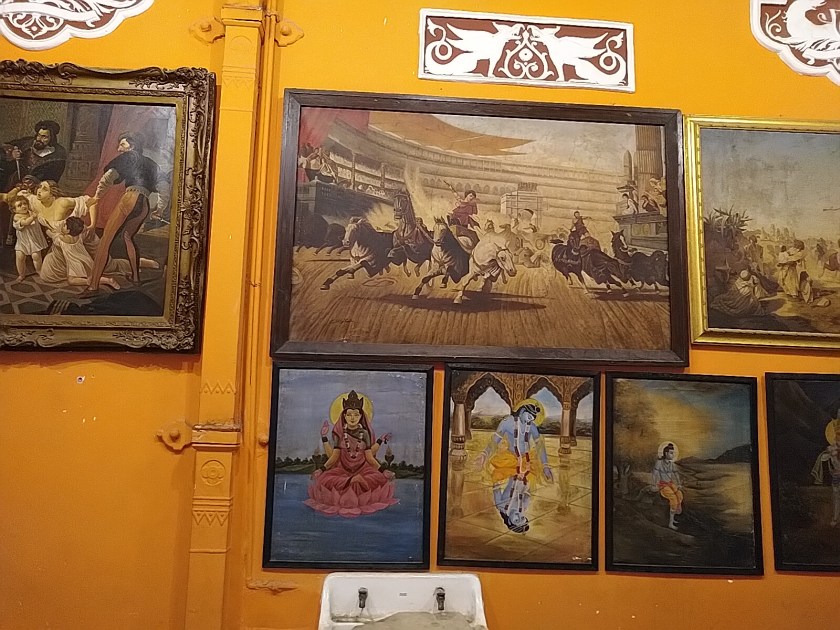
The rooms are decorated with old paintings belonging to the mid-19th century, including some Greek and Dutch paintings from the time of the Maharajas. You will also get to see old photographs from the Maharaja’s time, framed and hung on the wall. Seems like the family loved capturing and preserving their memories.

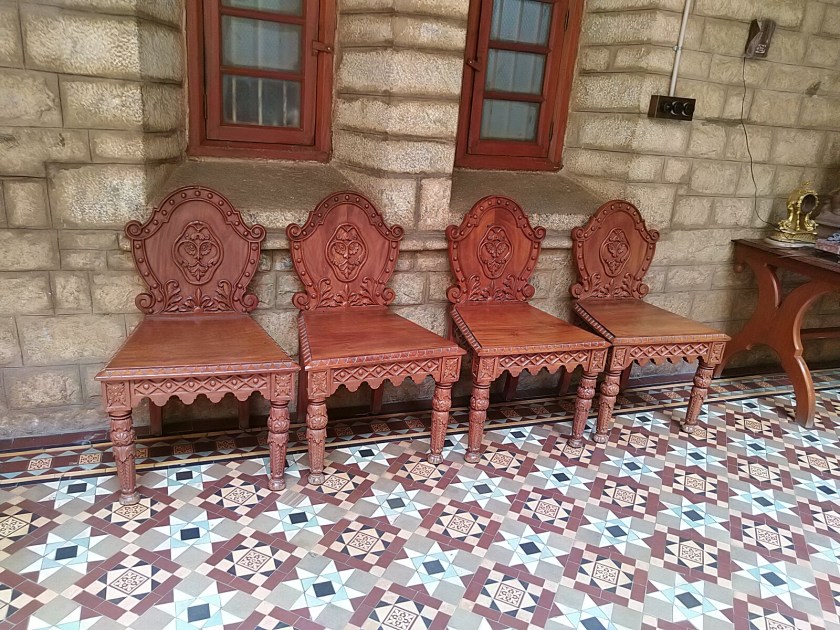
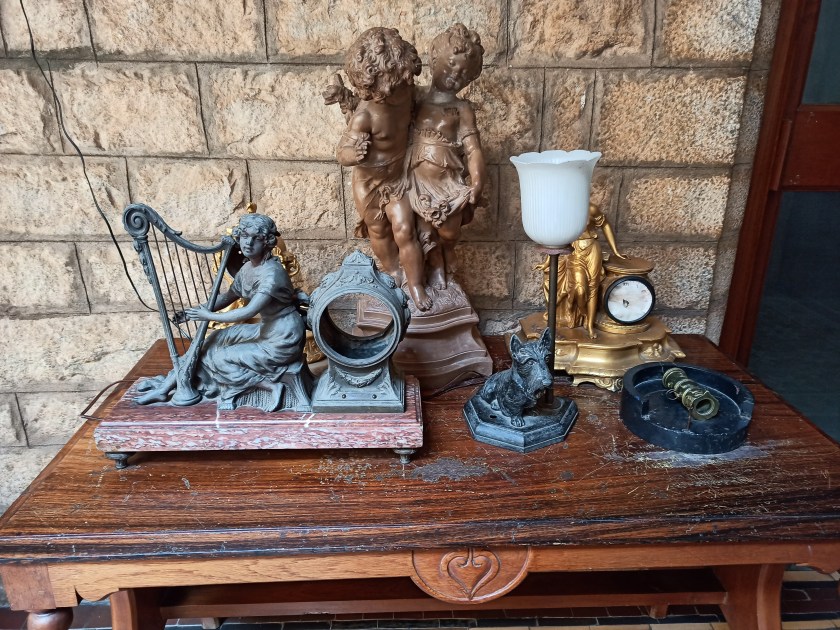
3.Artistic furnishings

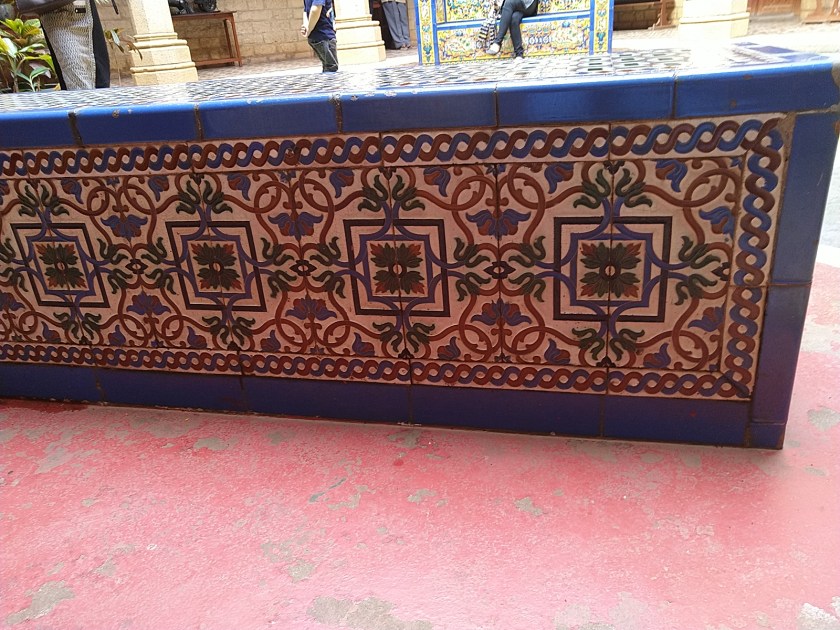
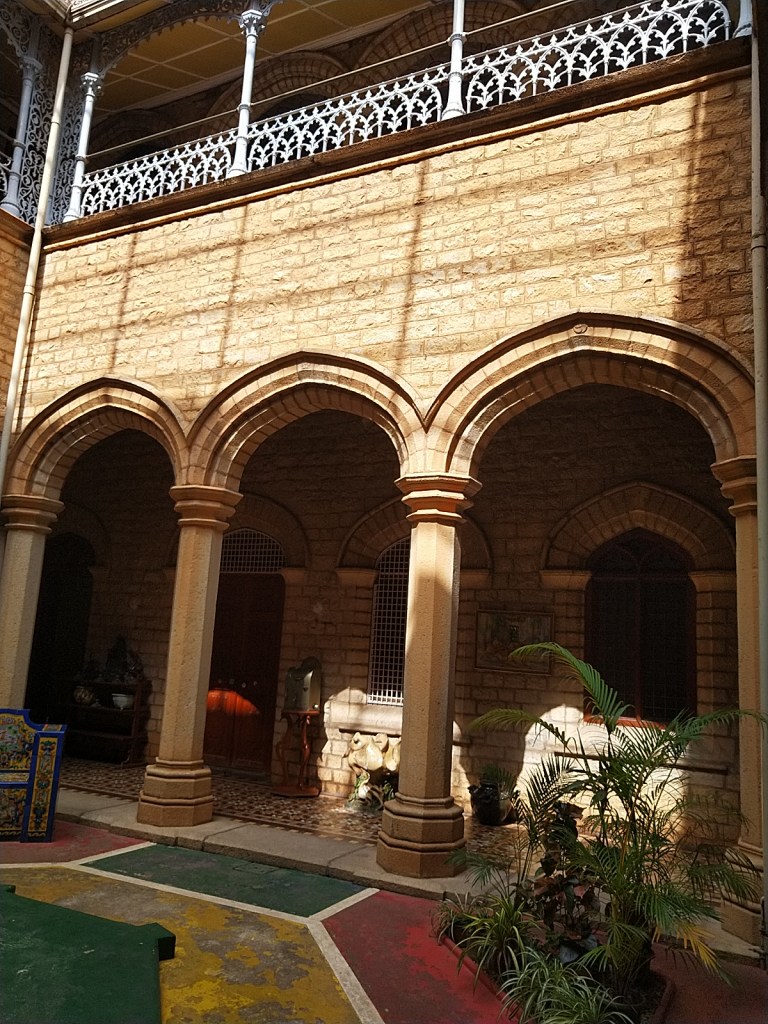
The Gorgeous chandeliers adorning the ceiling are ornate and old are adding a grace and charm to the interior. The ground floor consists of an open courtyard containing granite seats covered with fluorescent blue ceramic tiles. It also has a ball room for holding parties and a Durbar hall on first floor where the king used to address the assembly .The central courtyard, is huge and decorated with vibrant colours, arches, artworks and mosaics.

4.Architecture

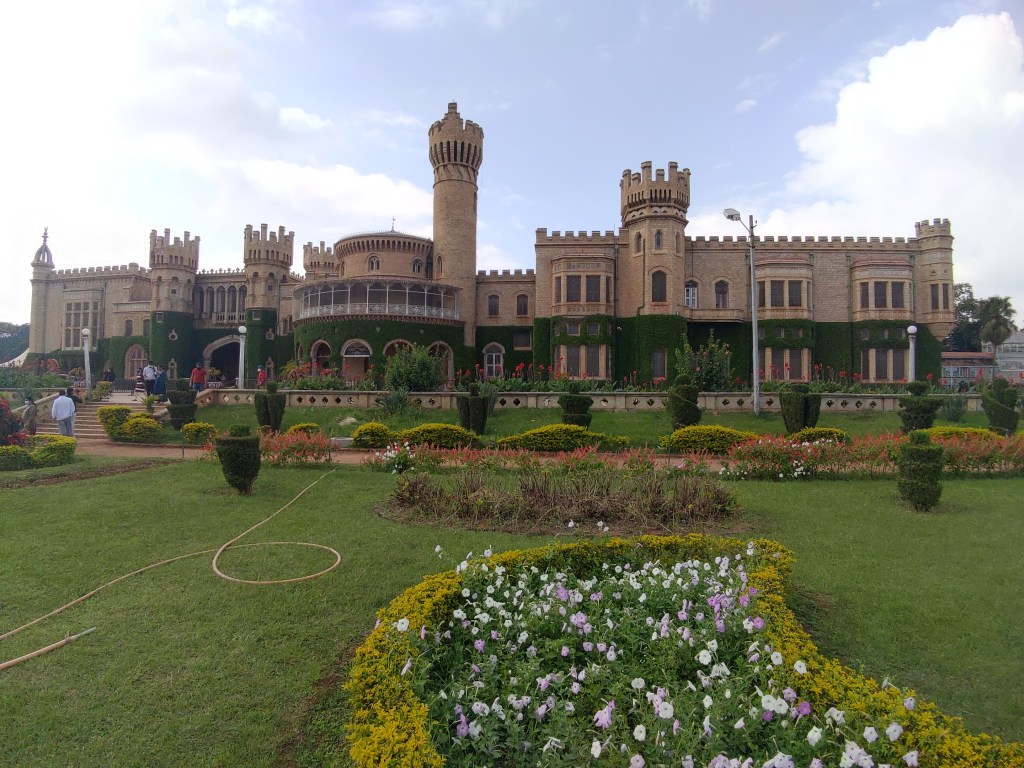
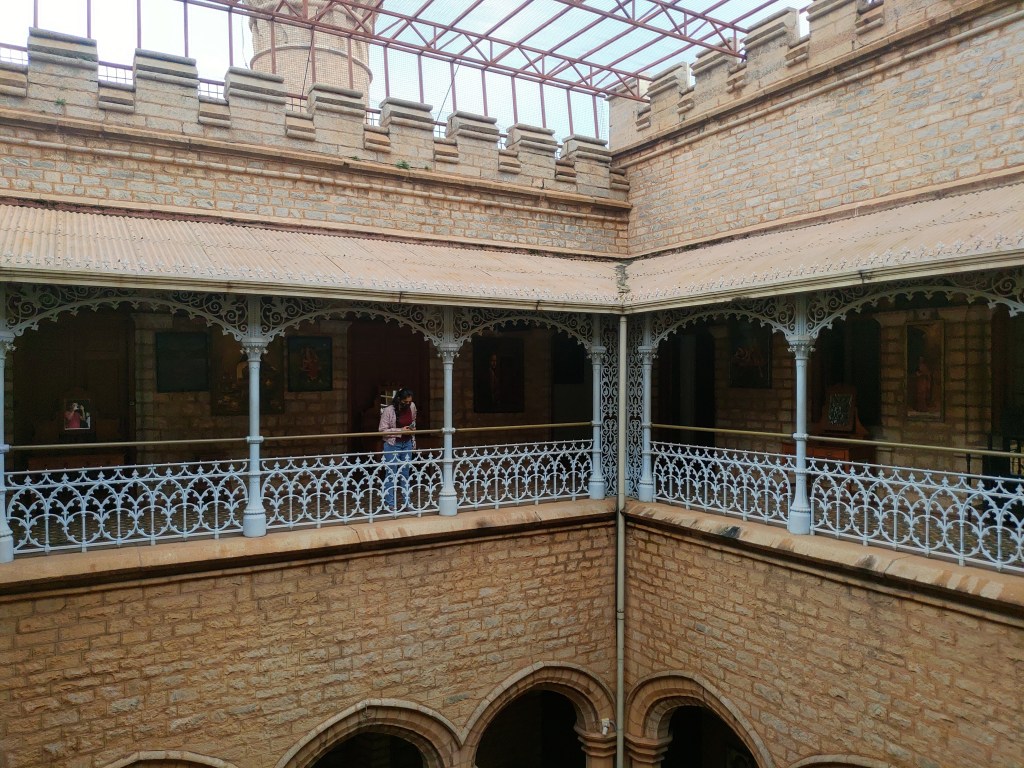
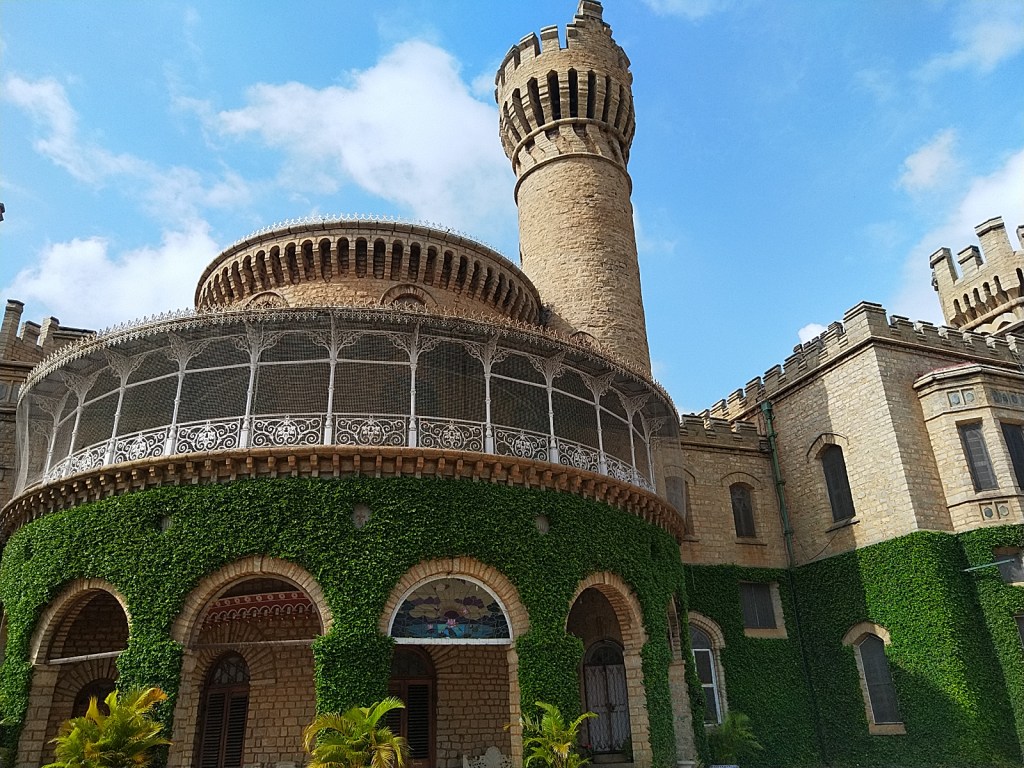
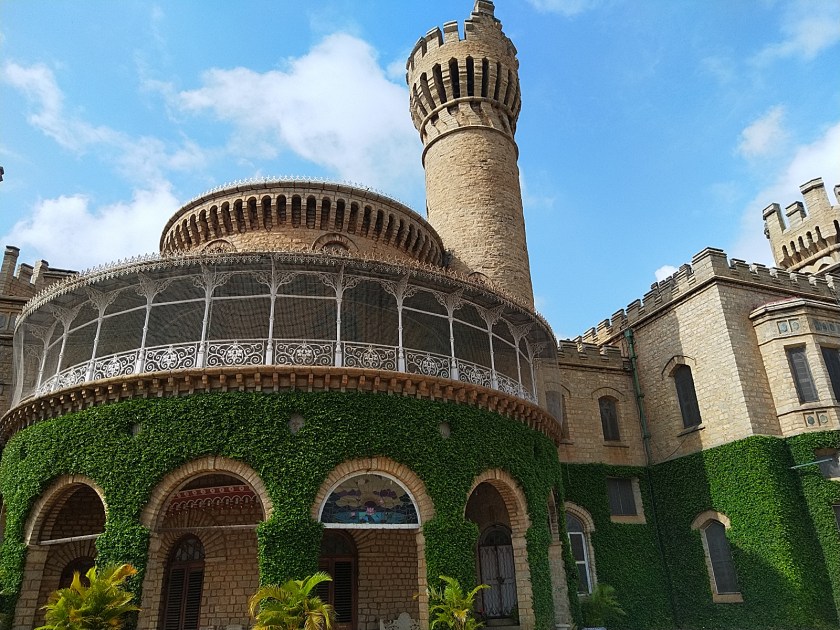
The palace architecture is an amalgamation of Tudor and Scottish, Gothic architecture with tall archways, oriel windows, fortified towers, battlements, and turrets. The interior of the palace is full of decorations, moulded and fluted pillars and large arches, walls decorated with floral patterns, intricately carved capitals, patterned cornices. The upper-level corridors and passage overlooking the inner courtyard are lined with beautifully detailed metal railings. There is a massive open courtyard with granite seats, a ballroom, darbar hall, residences, and a pretty water fountain which is now defunct.

5.Wooden work

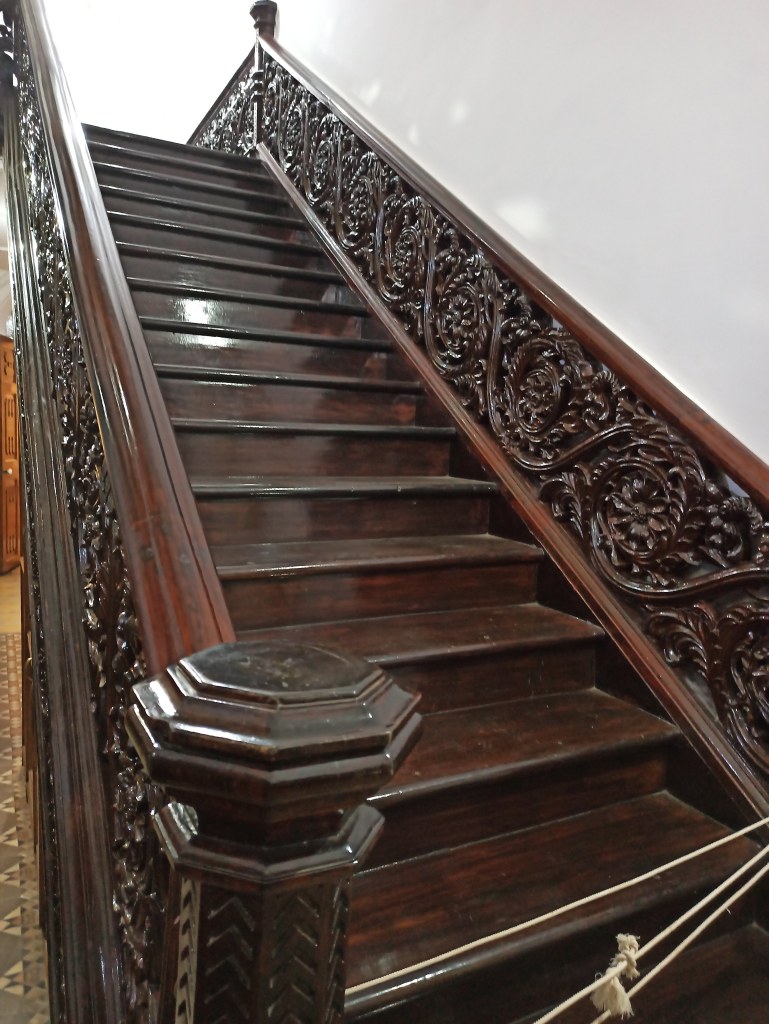
The interiors were decorated with elegant wood carvings. The furniture, which was neo-classical, Victorian and Edwardian in style, was bought from John Roberts and Lazarus. A grand staircase embellished with complex rococo style woodwork. edging those steps is a vibrant ­yellow wall, I mean what a contrast.

6.Taxidermy lover

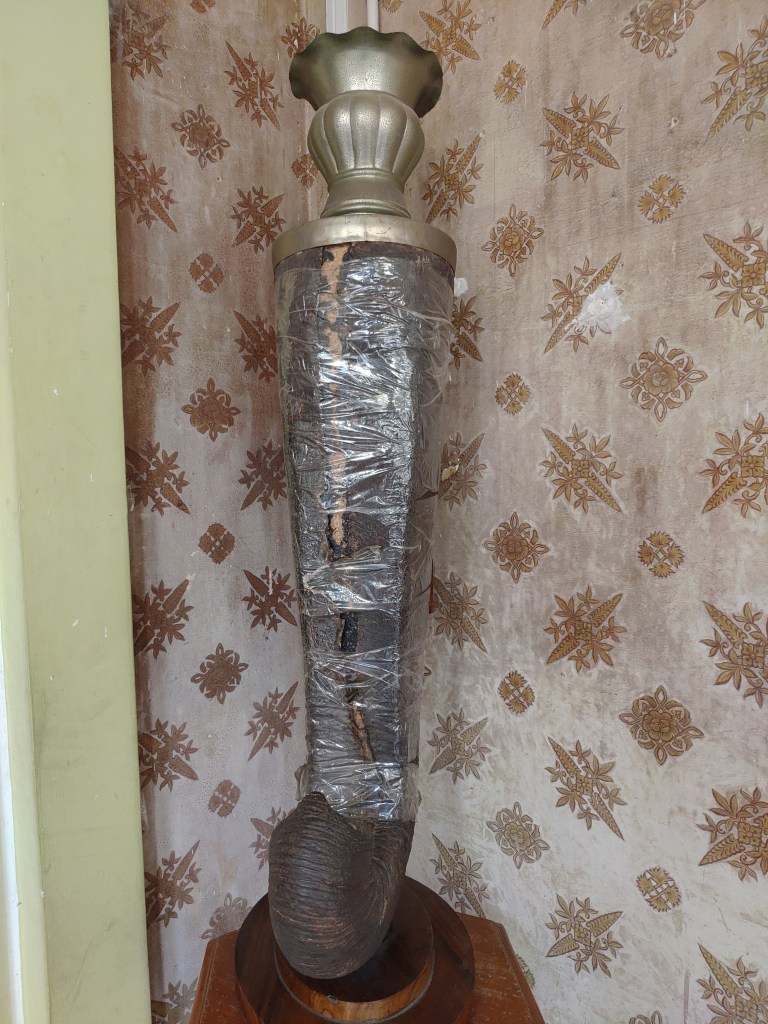
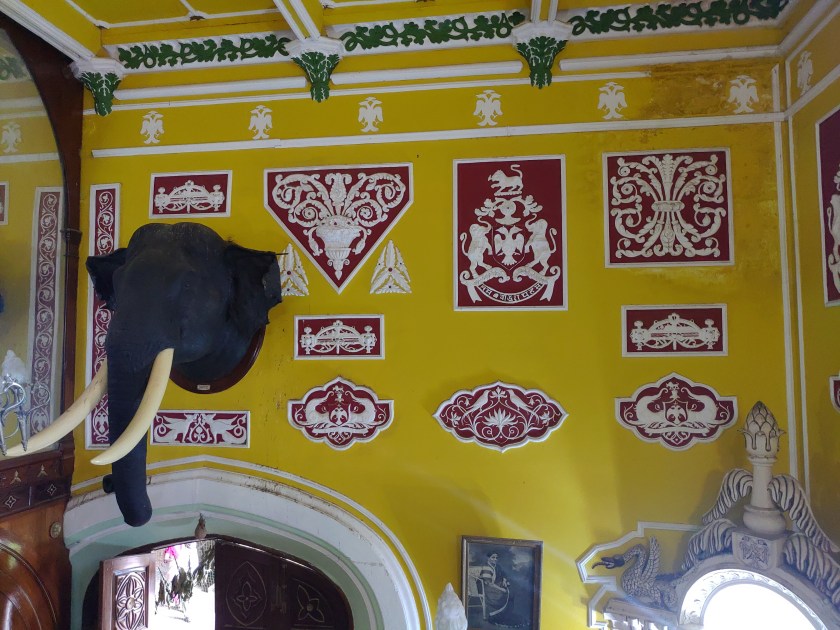
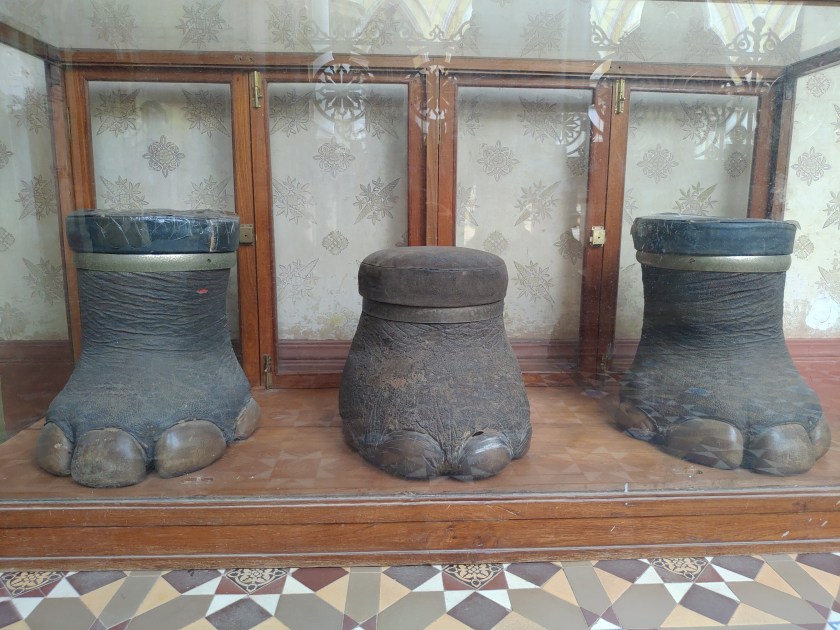
Wadiyar was definitely an admirer of taxidermy (the art of preparing, stuffing, and mounting the skins of animals with lifelike effect.), as we saw bar stools made with elephant legs and paw of a giant cat. Huge elephant head near the durbar hall entrance and an elephant trunk near the pathway.

7.Exquisite exteriors

 The well-arranged foliage spread all over the lower half of the castle makes it more photographic and adds up to the greenery which makes it distinctive from other palaces.

8.Manicured garden

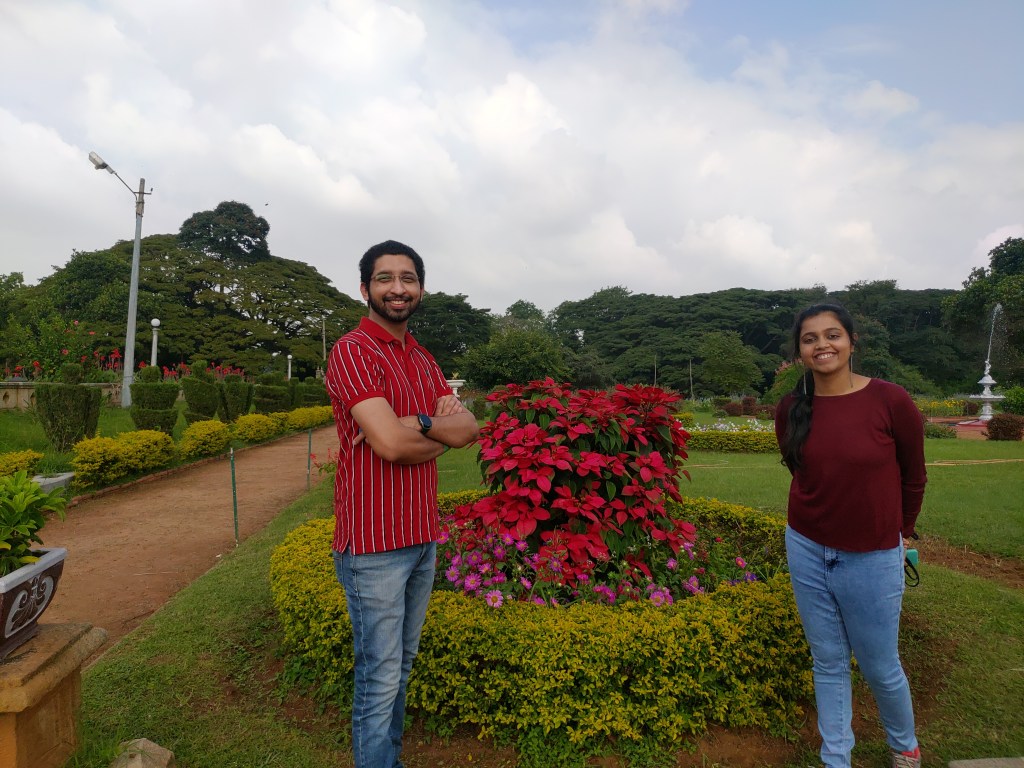
The gardens of the palace are more refined as designed by John Cameron, the English botanist responsible for redesigning Bengaluru’s serene Lalbagh Botanical Garden in the 1880s.

9.Cursed

The Wadiyar royal bloodline has reportedly been cursed for 400 years. The legend of the Curse of Alamelamma dates back to the 1600s, when Raja Wadiyar dethroned Tirumalaraja, an ailing ruler of another Indian kingdom. Rather than surrender to the Wadiyars, Tirumalaraja’s wife fled with her family’s royal treasure.

Clutching these jewels, she leapt off a cliff. Her final words were a curse on the Wadiyar dynasty, asking the gods to make their land barren and deny them heirs. This curse has remained famous due to the family repeatedly failing to produce a new male heir to their throne.

10.Windsor castle in india??

The story falls as Maharaja Chamaraja Wadiyar, during  his trip to London,was fascinated by the Windsor Castle of London and decided to have made one  for himself in Bangalore in the same style.Anything fancy can be wished with plenty of riches isn’t it. It,s said to be a look alike of the Windsor Castle. The resemblance is so marked that many scholars feel that this is an imitated version of the Tudor’s building, as if it was transported to Bangalore.

The Bangalore Palace is intertwined with the history of the city and its European architecture is a reminder of the colonial legacy of the town while its opulence also showcases the riches of the local kings. The expansive Palace Grounds around it were once a famed venue for international musical act, so this location has an important place in Bangalore’s contemporary culture too.

A visit to this Palace is a must, that will take you back in time and away from the modern landscape.

Harrytinkers
Posted in bangalore, India

Devanahalli Fort

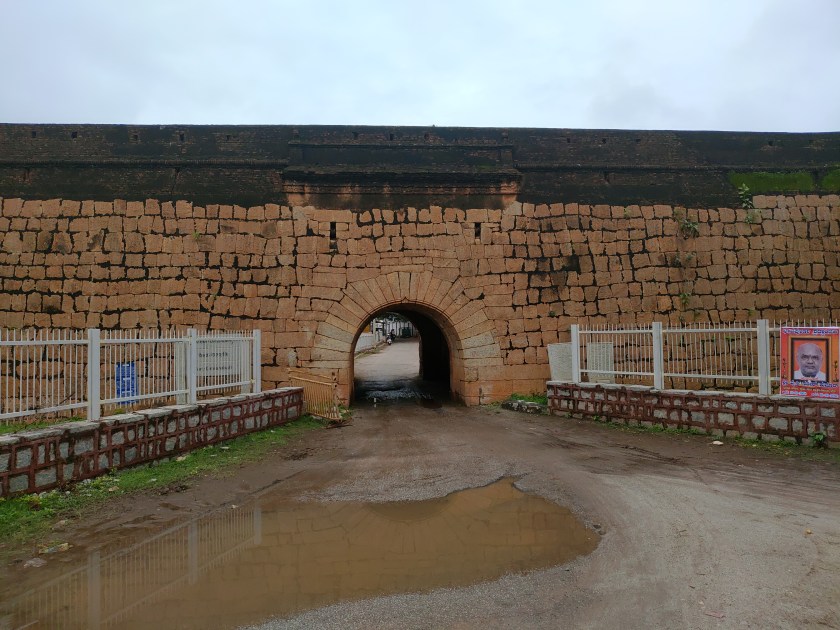
Devanahalli fort is 35 kms away from the main city of Bangalore. The was initially built with mud and later made with stone by Hyder Ali to its current preserved structure now. As its very close to the place where Tipu sultan was born, this site is considered to be heritage by Archeological survey of India.
Devanahalli earlier known as Devanadodda, was found by relative of Kempe Gowda (founder of Bangaluru). The fort is spread across 20 acres, well now it beholds smaill town.

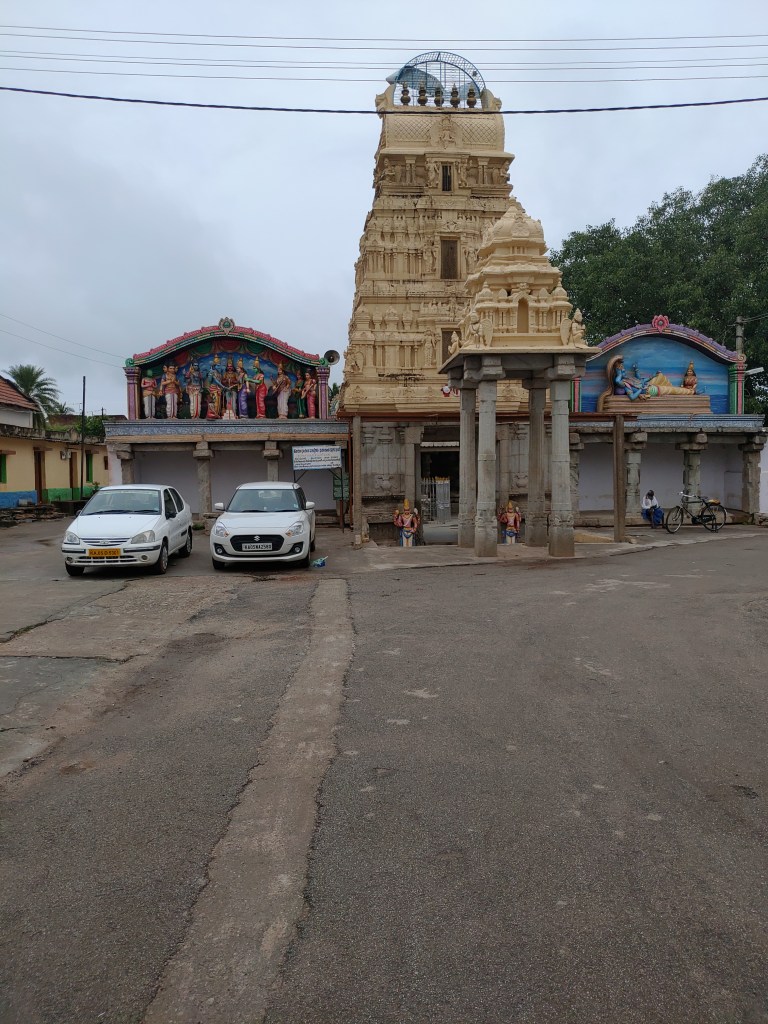
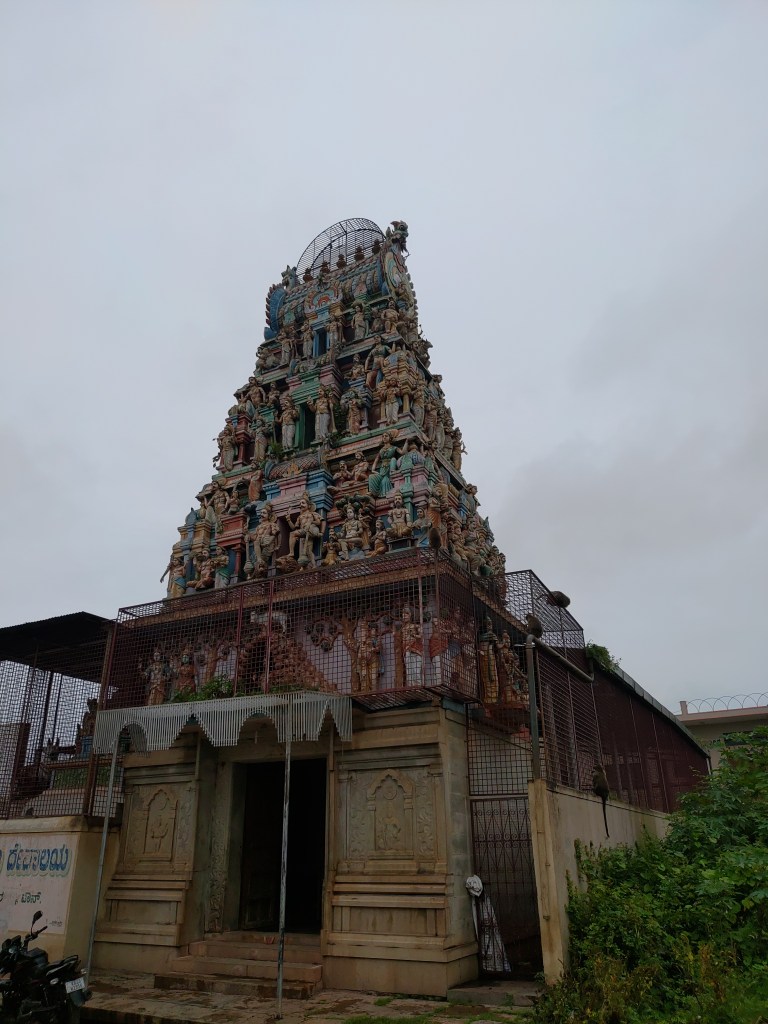
Its sounds like a movie scene: when we look at the fort wall from outside, we would imagine how grand it would have been once upon a time. As soon as you cross the small fort opening, feels like a tunnel, you will witness a magnificent temple.

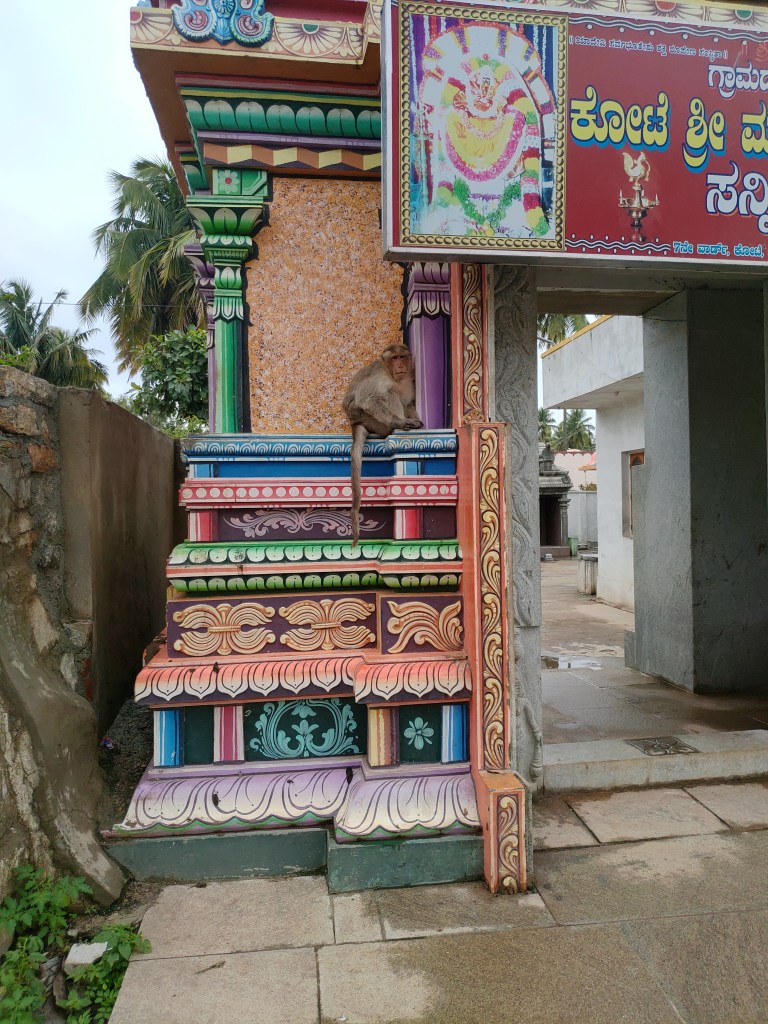
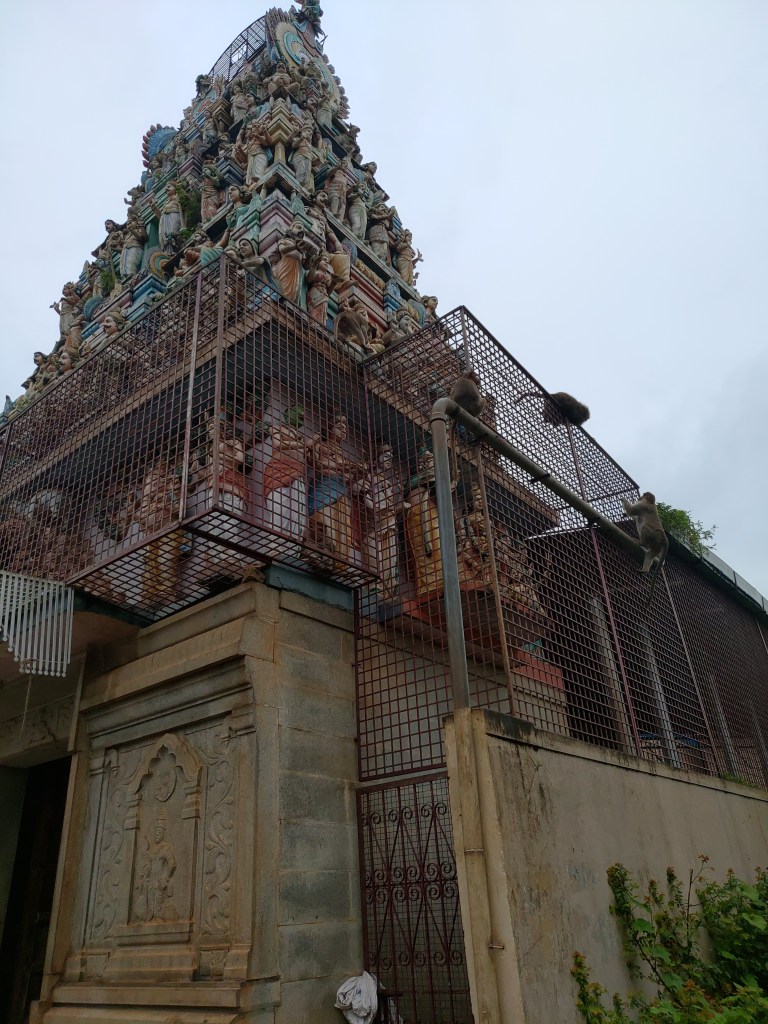
This city is full of temples one after another, now this should be renamed as city of temples. This town looks very ancient because of these temples like Venugopalaswamy temple , Siddalingeshwara temple and Sarovaranjaneya temple.

The fort  built in 15th century still stands stongs as if protecting the citizens of the ancient town of Devanahalli.

It’s a perfect place for a one day trip from bangalore and experience the heritage of Tipu sultans birth place.

Harrytinkers